

Learning That Feels Like Play
Today's featured startup empowers anyone to build AI-driven interactive quests, turning education into engaging, hands-on experiences

Project Overview
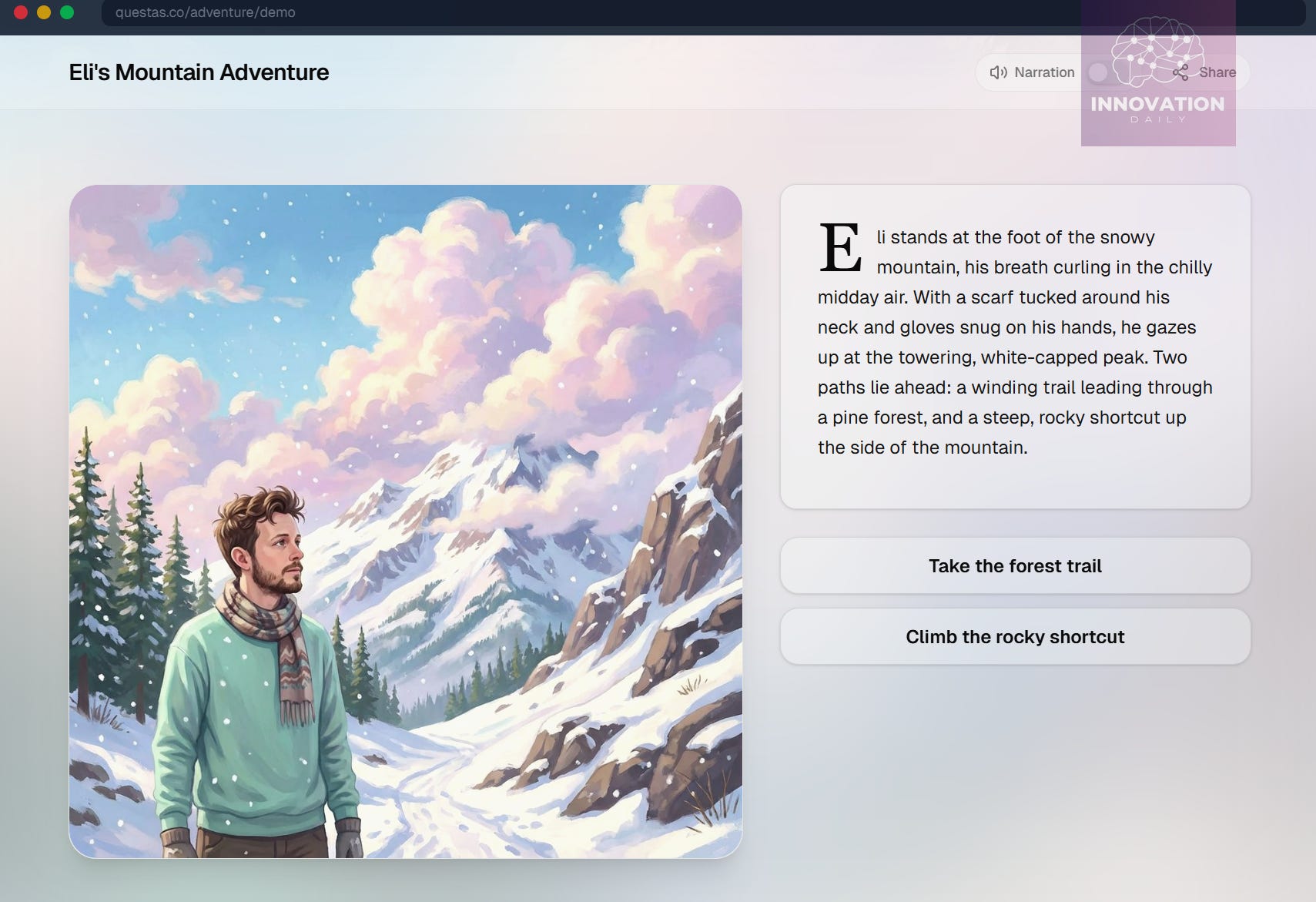
Questas is a platform that lets anyone create their own interactive adventures — branching stories where every choice leads to a new scenario. Each step in the story appears as a simple card containing an image or video, a short description of the situation, and buttons that determine what happens next. When a user taps one of the options, they move to the next card with a new moment and new possibilities.

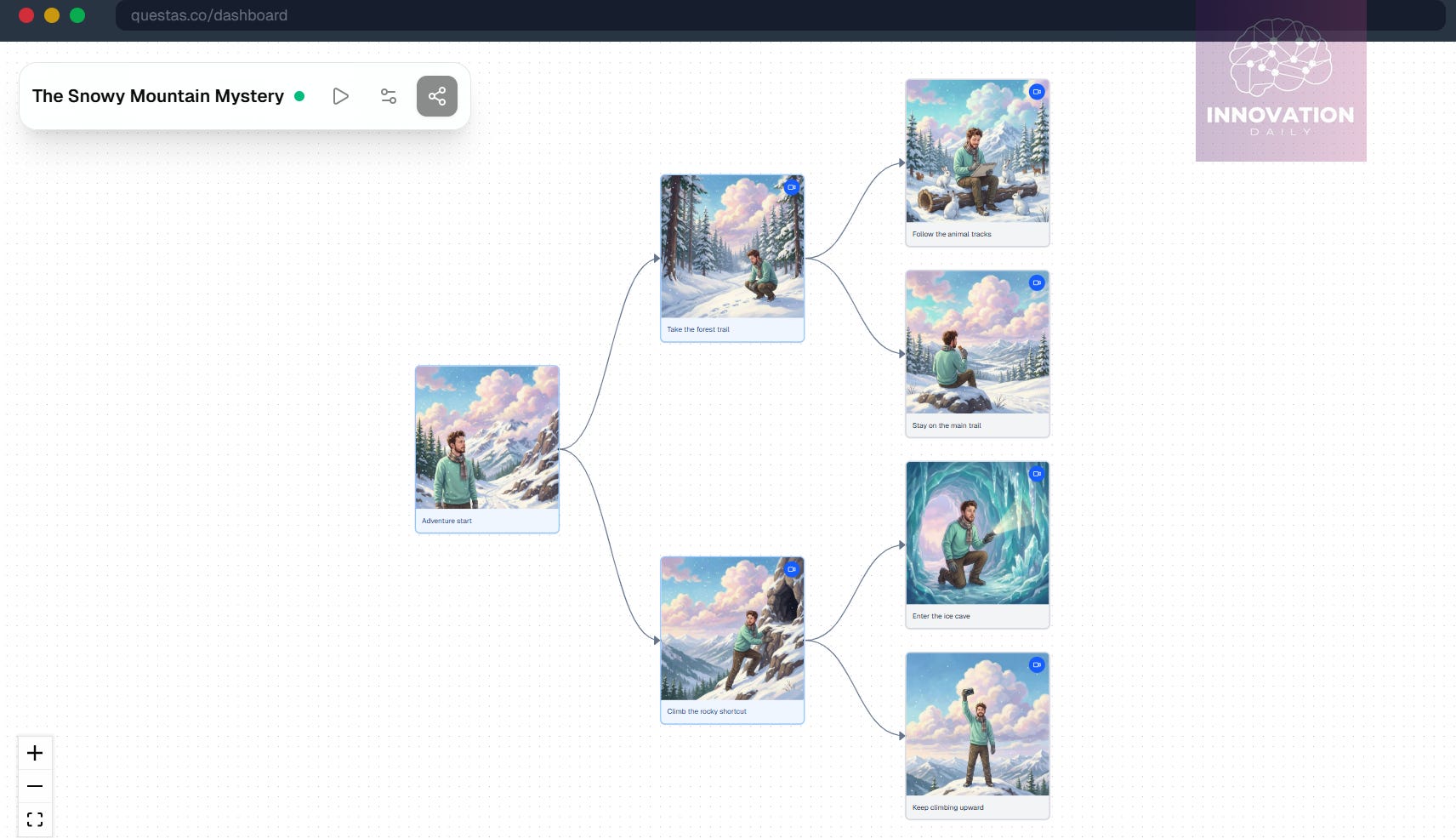
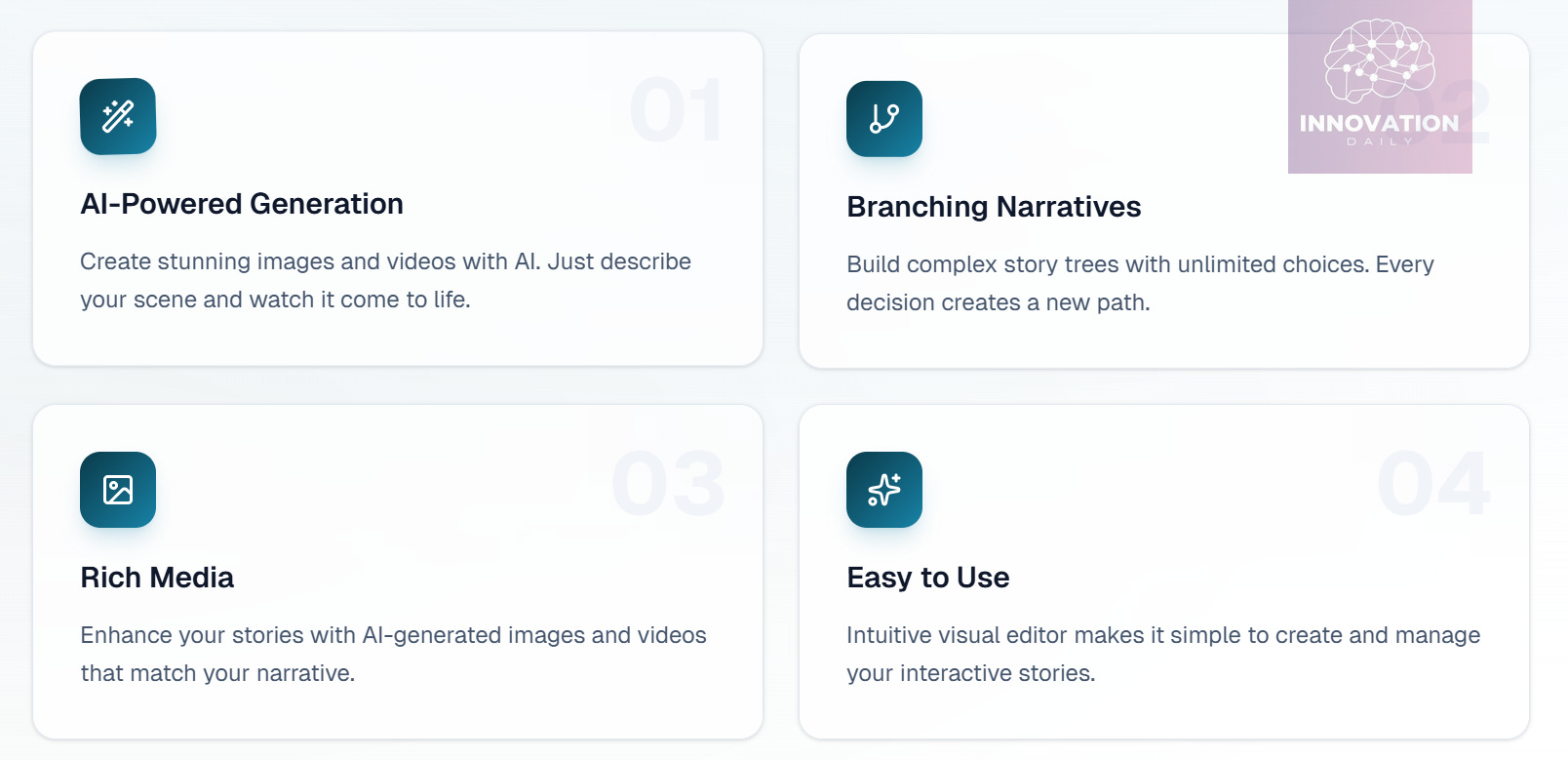
Creators build these stories inside a visual editor that displays the narrative as a graph — all paths, branches, and outcomes clearly mapped out. The platform’s AI generates images, videos, and voiceovers for each card based on a short description, helping authors turn their ideas into polished, playable experiences without needing design or technical skills. The product uses a credit-based model for AI features, with early creators currently receiving a 50% discount.
Questas recently became Product of the Day on Product Hunt — suggesting the format resonates well beyond hobbyists and tapping into an emerging trend of user-created interactive content powered by AI.
What’s the Gist?
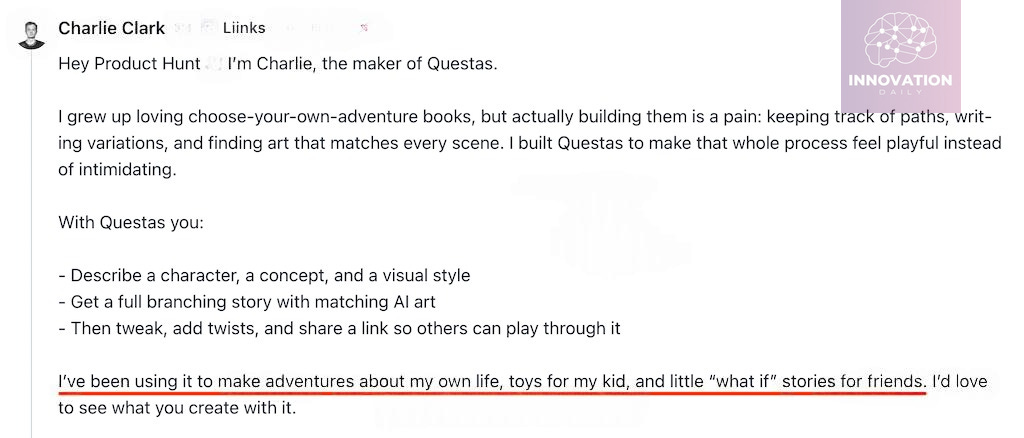
The founder of Questas uses the platform to create stories about his own life, little games for his children, and playful “what if” scenarios for friends. This instantly brings to mind several startups moving in the same direction.
Fifth Door is building a platform where anyone can create their own games without writing a single line of code — and where the same users can also play the games created by others. The product isn’t publicly available yet, but the company has already raised $20M. Interest is especially high because the founder previously built Cruise, the autonomous driving startup acquired by General Motors for about $3B. If someone with that background sees potential here, the category clearly has room to grow.

A similar idea appears in Sagaland, a Y Combinator startup released earlier this year. The difference is in format: Sagaland lets users create playable books — text-based adventures where readers move through the story by making choices, while the platform’s AI generates the dialogue and narrative variations.
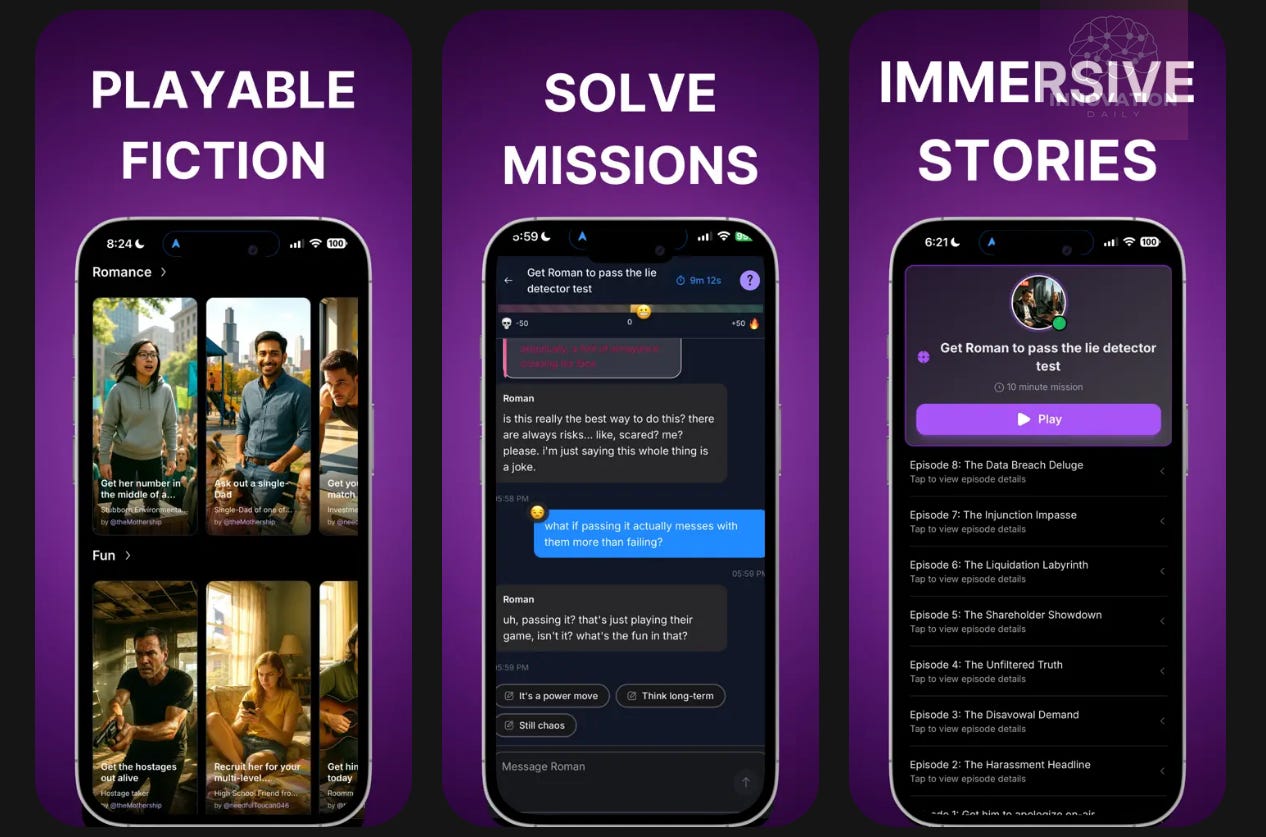
Another adjacent effort is And Then, which came out of the a16z accelerator in October and has reportedly raised $1M. Their platform creates fully voice-driven text quests that can be played without touching a screen at all.

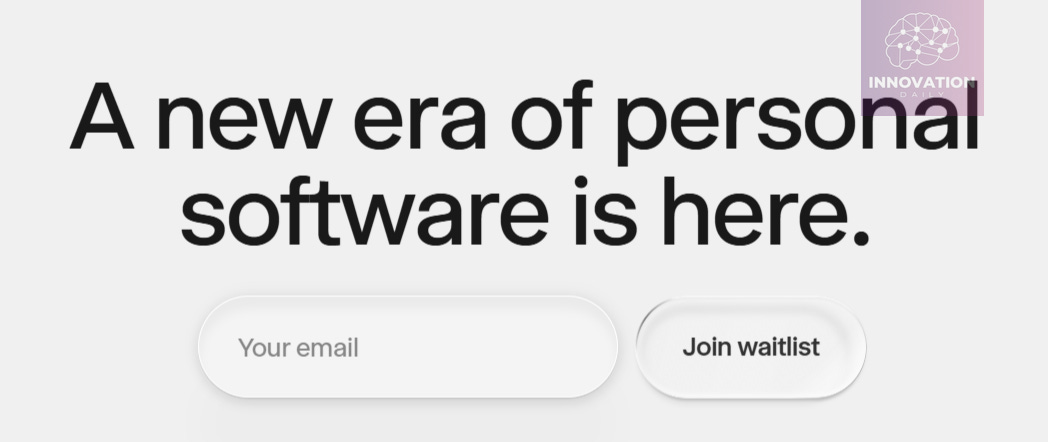
A broader version of this trend comes from Wabi, which raised $20M in early November despite still being in closed testing. Wabi allows users to build any kind of AI-powered application — not just games or quests — with zero programming experience.
What connects all these products is their nature as social platforms. Users share not videos or posts, but interactive experiences: games, mini-programs, tools, branching stories — anything AI can now generate quickly and cheaply. This shift became possible only because AI dramatically lowered the cost and complexity of building interactive software. Now anyone can create for fun, self-expression, or even to grow an audience.
But there’s a deeper insight hidden in today’s Questas. The founder mentions he makes quests for his children — and that reveals a powerful use case: education.
Parents are as lazy as everyone else — so what would make them build custom content? One thing: the desire to teach their kids something. Children don’t respond to lectures, but they will happily play interactive stories. They absorb lessons from games and videos much faster than from verbal explanations.
So if a parent wants to explain something important, turning it into a game-like quest becomes an effective strategy. The child plays, explores choices, and naturally internalizes the message.
Generalize this idea, and you arrive at a new educational format: interactive learning quests, which combine explanations, practice, and branching experiences where mistakes feel safe — because they’re part of the game. Students experiment freely, see consequences, and remember material better than through passive listening.
And with modern AI, creating such quests from any educational material is now realistic. A platform — or even ChatGPT — can already turn a textbook chapter into a full interactive learning path with images, videos, explanations, and branching outcomes.
Key Takeaways
Interactive AI-generated quests are poised to enter mainstream education. They’re engaging, practical, and now easy to produce at scale thanks to AI. They’re especially promising for children, whose motivation for traditional lessons is low but who will eagerly engage with a game. But adults can benefit too — there are far more people willing to play than willing to study.
The clear direction of movement: platforms that convert uploaded educational content into interactive quests. If executed well, such tools could meaningfully challenge — and in some segments even replace — traditional online course platforms built around videos and linear tests.
The online education platform market is enormous: about $350B in 2024, projected to reach $1.3T by 2032. This represents a massive opportunity — a whole new layer of tools that AI finally makes possible.
So the question is not whether the trend will happen. It’s who will be the first to build the platform that turns textbooks into engaging, dynamic learning quests. Feeling inspired?
Company Info
Questas
Website: questas.co