

Rethinking How We Identify Online
Today's featured startup is redesigning online verification so users can prove they’re real without sharing unnecessary personal data

Project Overview
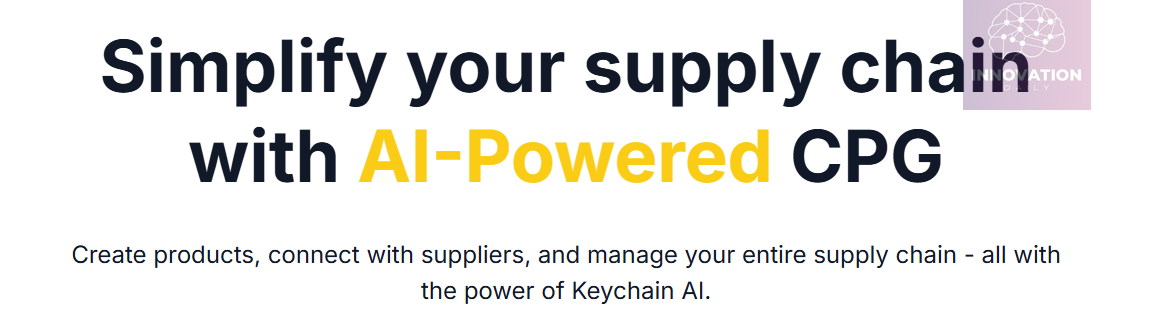
Keychain is building an AI-powered platform that helps retailers and food brands create private-label products faster and with far less friction.
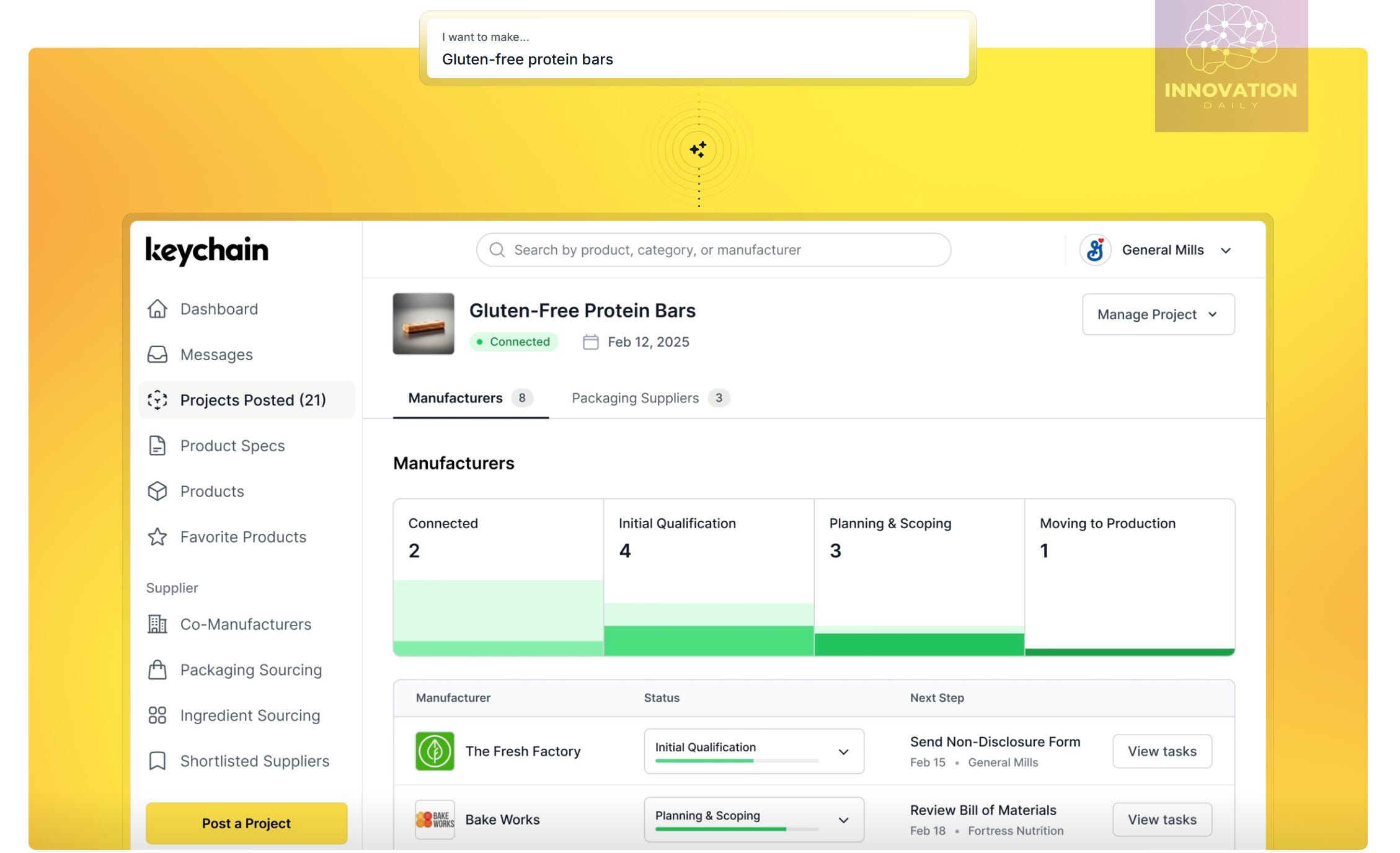
The workflow feels as simple as using ChatGPT: a buyer types in the idea — say, “gluten-free chocolate-coated protein bars” — and the platform instantly generates realistic product concepts, from recipes and ingredient lists to packaging options and required certifications.
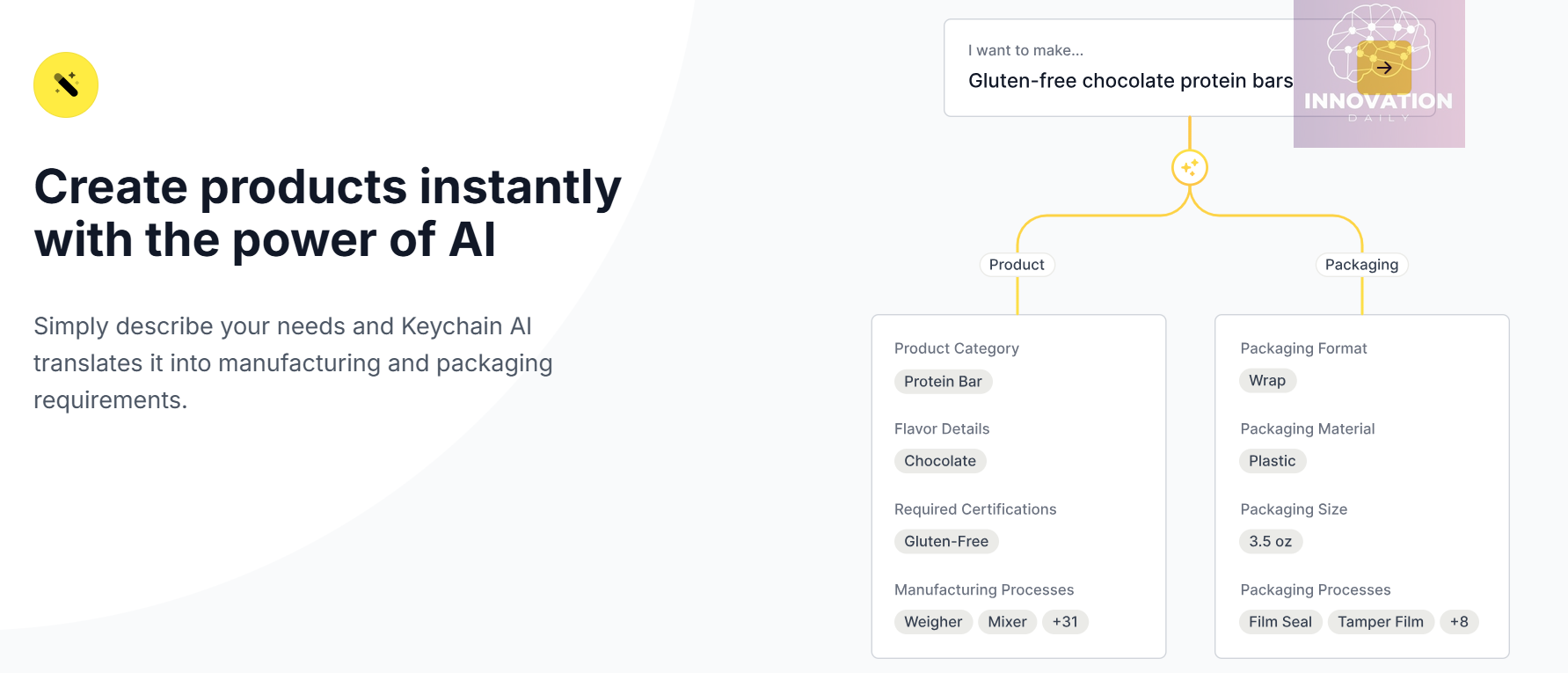
What makes the system powerful is that these suggestions aren’t hypothetical. Keychain’s AI pulls directly from the capabilities, capacity, and constraints of real contract manufacturers connected to the platform. Each proposed concept includes a complete production and supply chain blueprint — formulation, manufacturing steps, primary and secondary packaging, and logistics.
Buyers manage everything in a single dashboard, tracking the status of each product, the completed and pending tasks across all suppliers, and the progress toward store shelves.
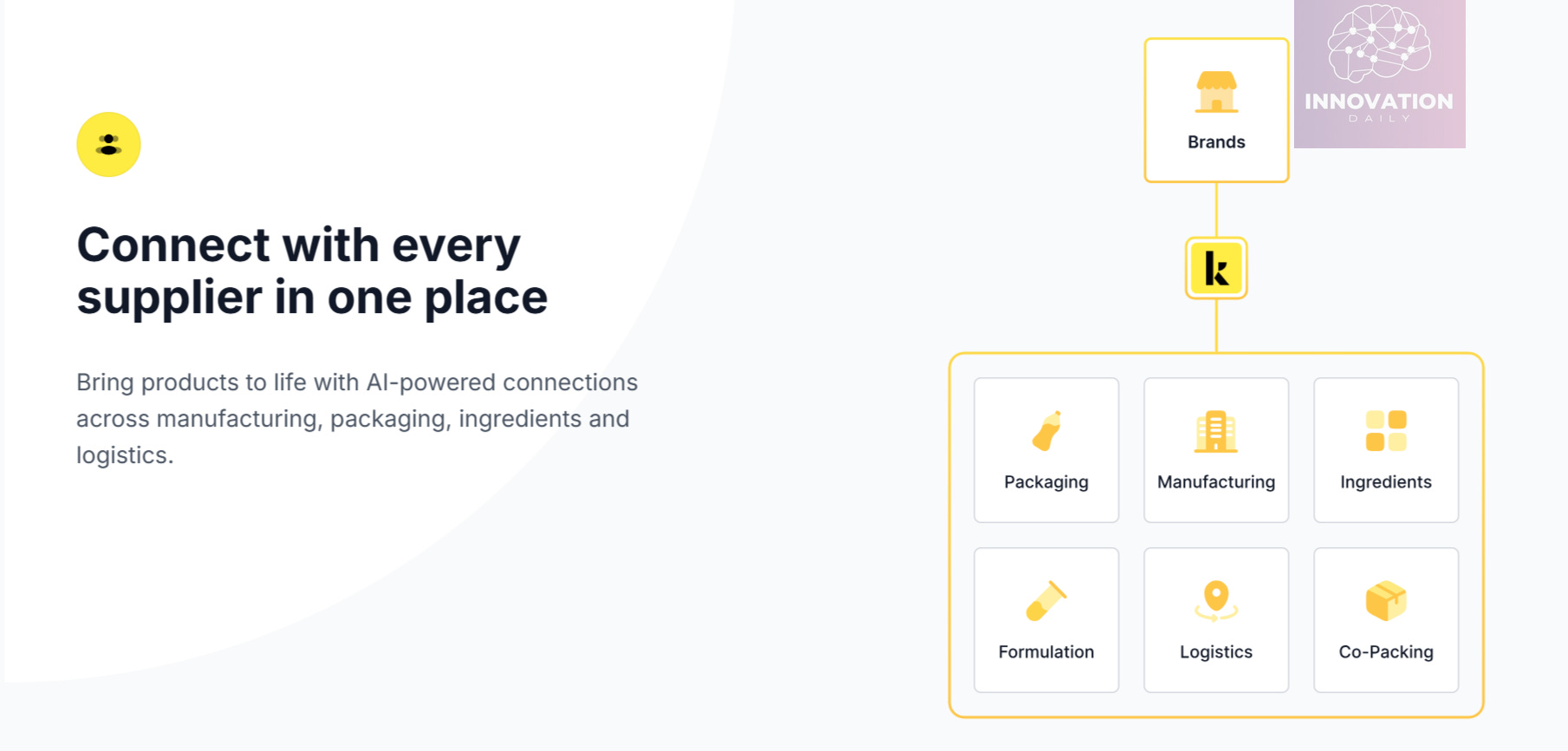
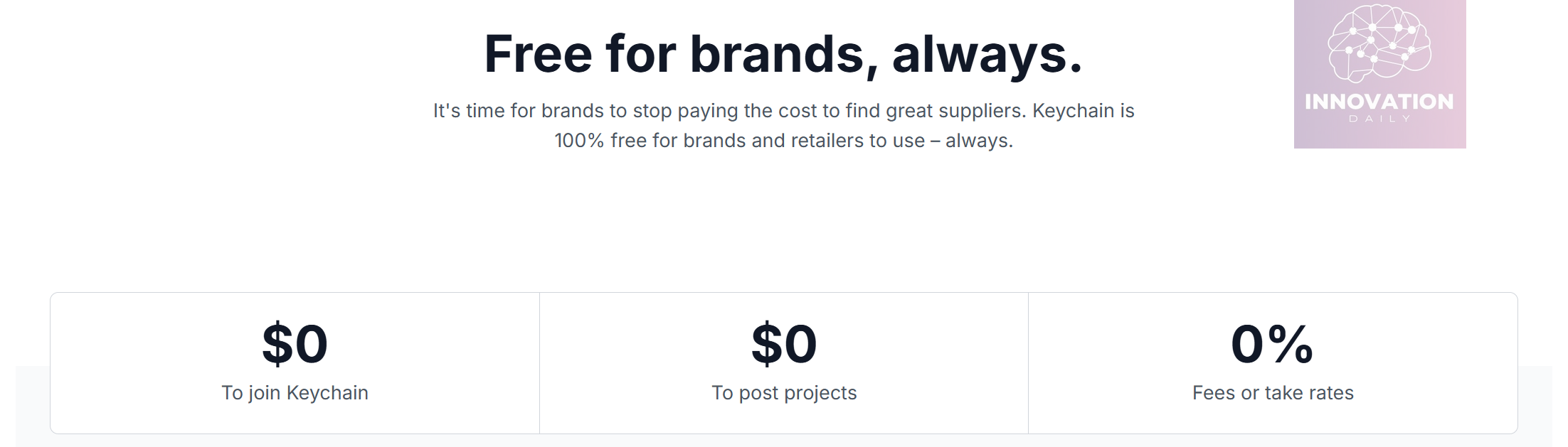
The business model is equally simple: retailers pay nothing. Keychain charges only suppliers — and only once they earn revenue from fulfilling orders.
On the supplier side, the same platform operates as KeychainOS — a production management system that handles order intake, fulfillment, inventory, and shipping. The company is now adding modules for production planning, finance, and risk management.
Launched in the U.S. in 2024, Keychain has already onboarded 20,000 retailers and 30,000 manufacturers. The platform now processes $1B in monthly orders.
The startup recently raised a $10M round to expand into the UK, where 1,000 retailers and 2,000 manufacturers joined even before launch — following a $30M round just a few months earlier.
What’s the Gist?
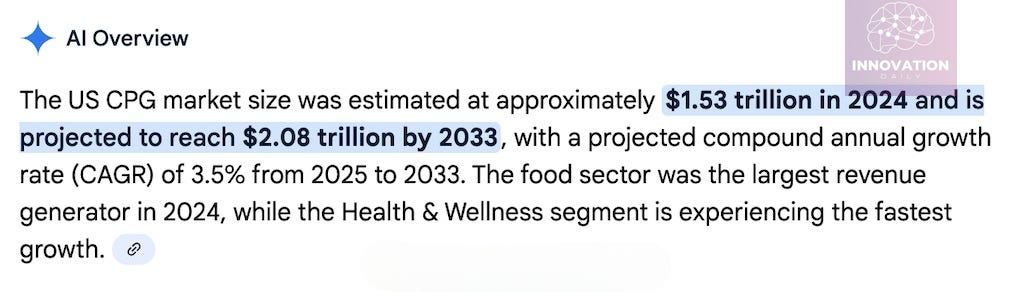
The CPG market is enormous — $2.4T today and projected to reach $3.4T by 2034.
Despite Keychain already powering $12B in annual order volume, that’s less than 1% of the U.S. opportunity alone. There’s massive room to scale.
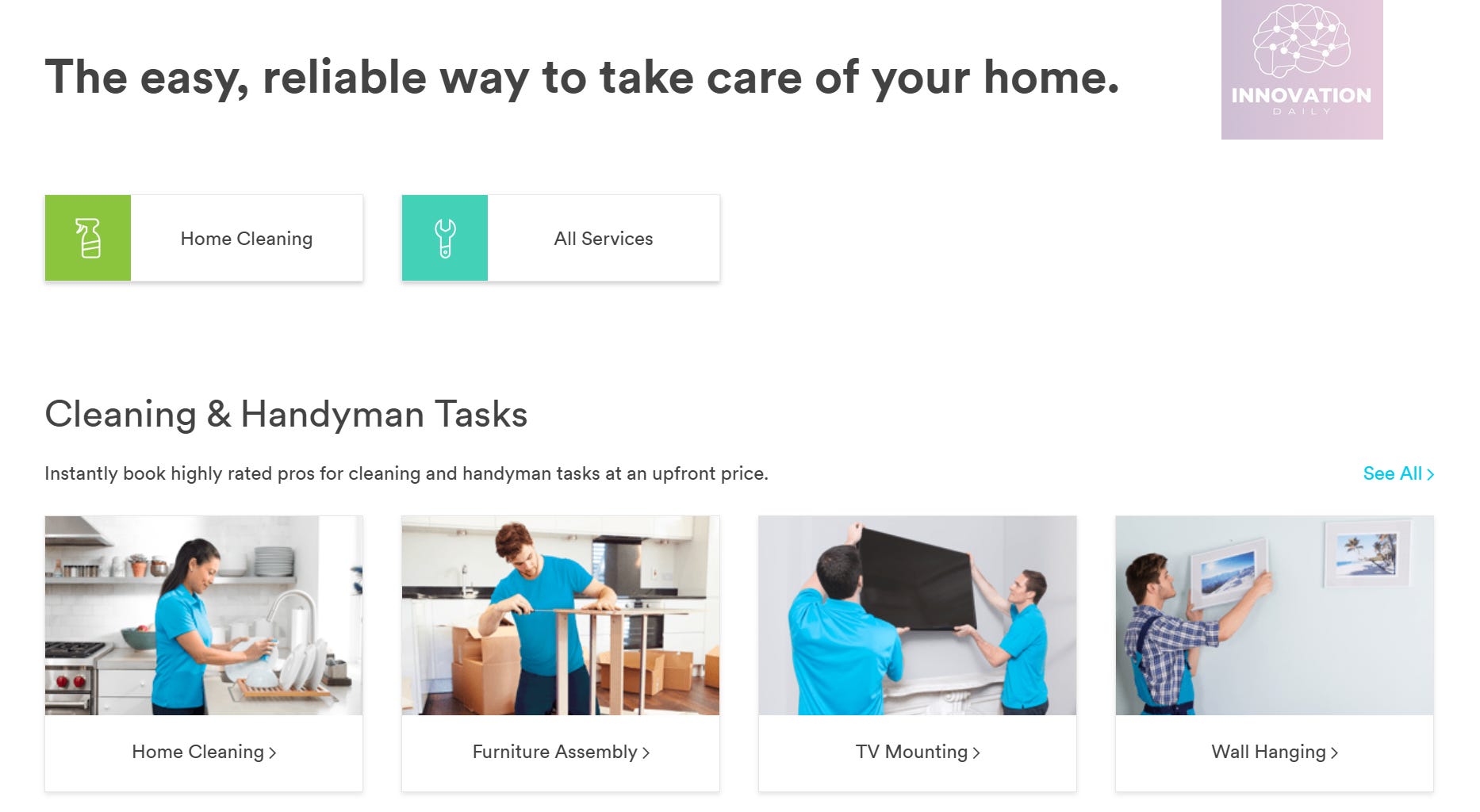
The founder previously worked at Handy and Angi, running marketplace models for on-demand household services. Now he’s applying the same logic to a much bigger, more profitable market.
The core problem: retailers still rely on outdated methods to find manufacturers — trade shows, middlemen, endless cold calls. Meanwhile, factories around the world have unused production capacity they struggle to monetize.
Keychain positions itself not just as a matchmaking layer, but as an active engine that turns retailer ideas into real products — and does so fast.
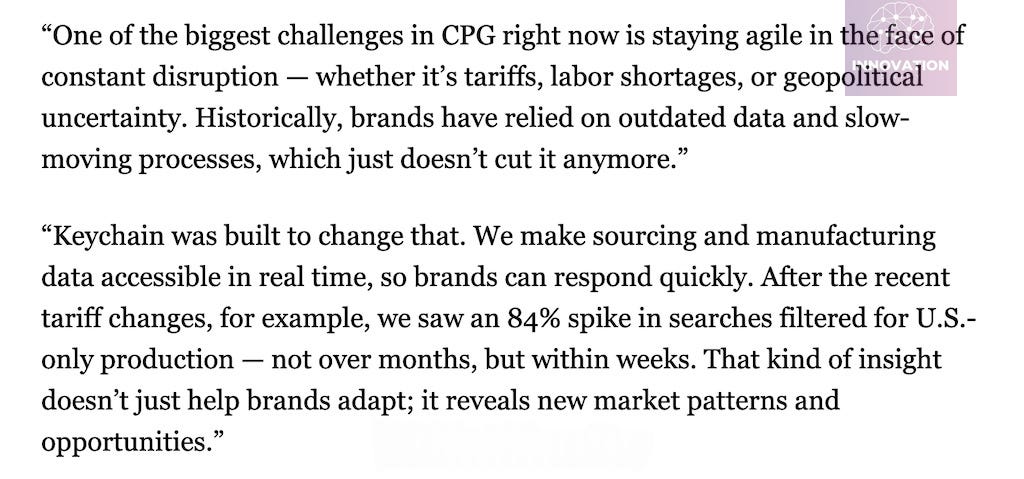
When U.S. import tariffs shifted recently, demand for local manufacturing on the platform jumped 84% within weeks. Acting quickly matters; speed becomes a competitive edge.
According to the founder, Keychain isn’t just another supply-chain optimization tool. It’s enabling a new generation of CPG products created in near real time, shaped by what’s happening in the market right now. Retailers can now create physical products with the same speed and precision that software teams build apps. This is not incremental efficiency — it’s a paradigm shift.
If Shopify removed friction from creating online stores and unlocked explosive market growth, Keychain is doing the same for private-label manufacturing.
By lowering the barrier to entry for retailers and unlocking idle capacity for suppliers, the platform can dramatically expand the private-label CPG market.
Key Takeaways
Friction disappears in markets not because someone “decides” to remove it, but because new technology makes its removal possible.
Shopify was powered by the rise of the internet. Keychain is powered by AI — the kind that can instantly determine how, where, and by whom a product can be manufactured, and then manage everything from production to logistics.
The broader direction:
AI platforms that eliminate friction in specific business verticals — enabling more players to enter the market and collectively expand it.
Where else, beyond packaged food manufacturing, could this model work next?
Company Info
Keychain
Website: keychain.com
Latest Round: $10M 19.11.2025
Total Funding: $78M across 6 rounds