

The New Economics Of Automated Disputes
Today's featured startup is unlocking a new category where AI agents recover money, negotiate compensation, and fight for consumer rights at scale

Project Overview
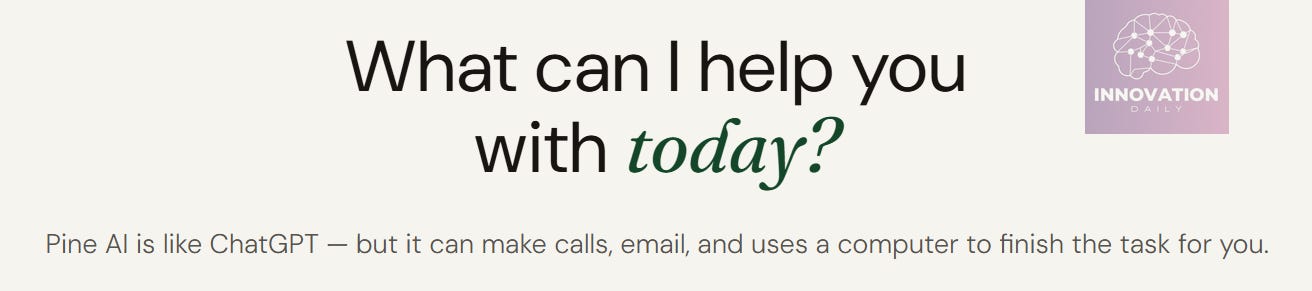
Pine is an AI assistant - but not the kind that answers user questions like ChatGPT Instead of chatting, it acts: calling companies, filing complaints, negotiating refunds, canceling subscriptions, and pushing customer service reps until the issue is fully resolved. Its goal is simple: recover money or secure compensation on behalf of the user.
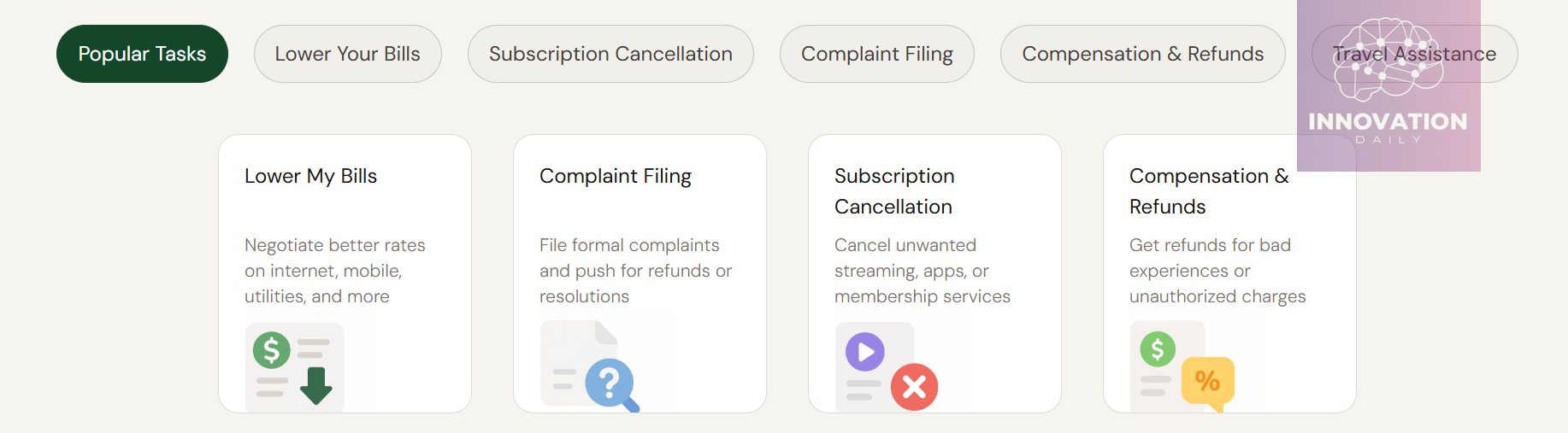
The most common tasks Pine handles include:
disputes with telecom, internet, utility, and home-service providers over incorrect charges or hidden add-ons;
filing complaints about poor service, defective goods, delayed flights, canceled bookings, or denied refunds for online courses;
canceling subscriptions to apps, news outlets, and streaming services when self-cancellation is intentionally hidden or impossible;
securing refunds for mysterious or unfair charges;
claiming compensation for late food deliveries or bad service at restaurants.
The outcome is almost always tied to money — either a refund, compensation, or both.
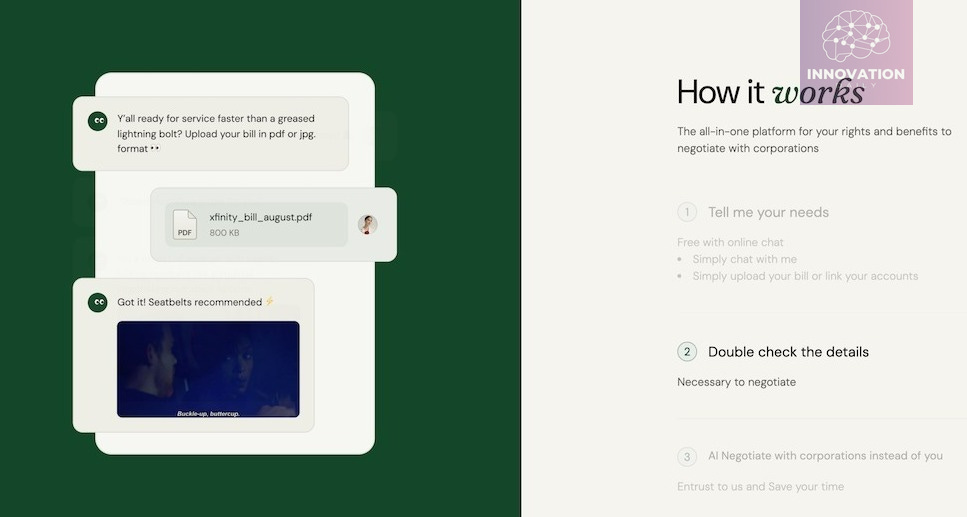
To initiate a request, users simply submit their situation in the Pine app, answer a few clarifying questions, and upload a receipt, bank statement, or grant temporary access to their provider account. From that moment, Pine takes over.
It drafts the complaint, attaches documentation, sends it to the right place — and then starts messaging or even calling until someone either gives up or gives in.
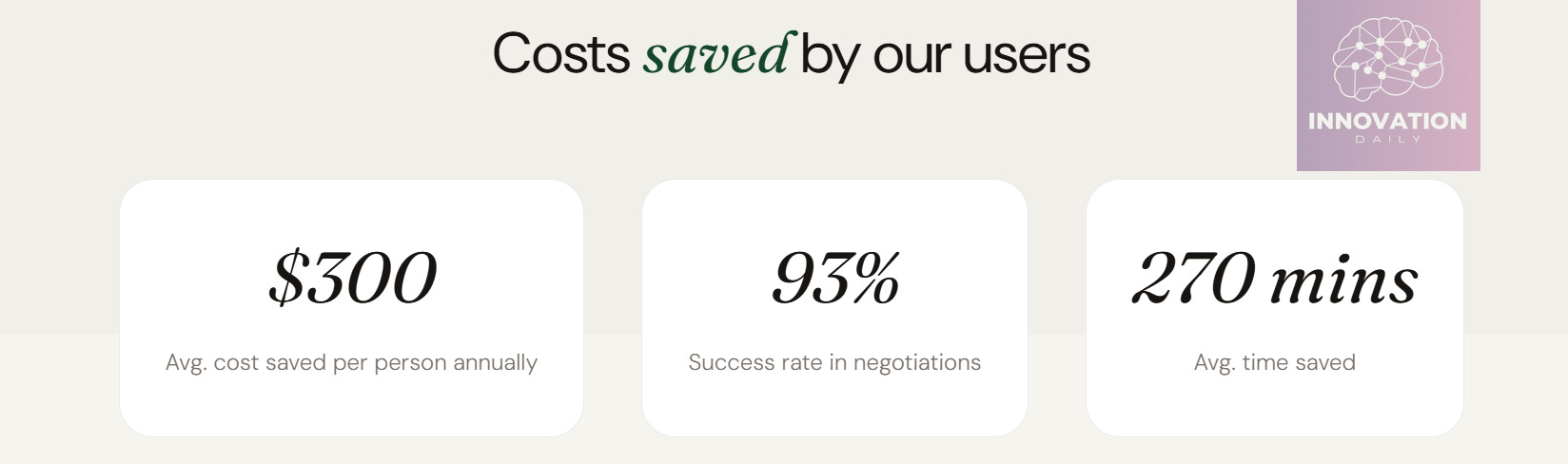
According to the startup, Pine achieves positive outcomes in 93% of accepted cases (cases that meet the criteria for a legitimate complaint). The average user saves around $300 a year and avoids roughly 5 hours of mind-numbing back-and-forth with support teams.
There are no subscription fees or charges for submitting complaints. Pine earns only a small percentage of the money it successfully recovers.

The startup raised $5M last November, and has now closed a new round — $25M.
What’s the Gist?

Pine isn’t alone in this emerging category. Another startup, Ajust from Australia, offers a similar AI-driven complaint service. Its assistant reports an ~80% success rate and has raised about $2M, with the latest round in November.
The U.S. startup Pap! focuses on a narrower slice of the problem: price-drop compensation. If you buy something and the price later drops, the retailer owes you the difference — but almost no one bothers to file the claim. Pap! scans your inbox for purchase receipts, monitors price changes, and automatically files compensation requests. It now has $4.4M in total funding after two rounds, the most recent in March.
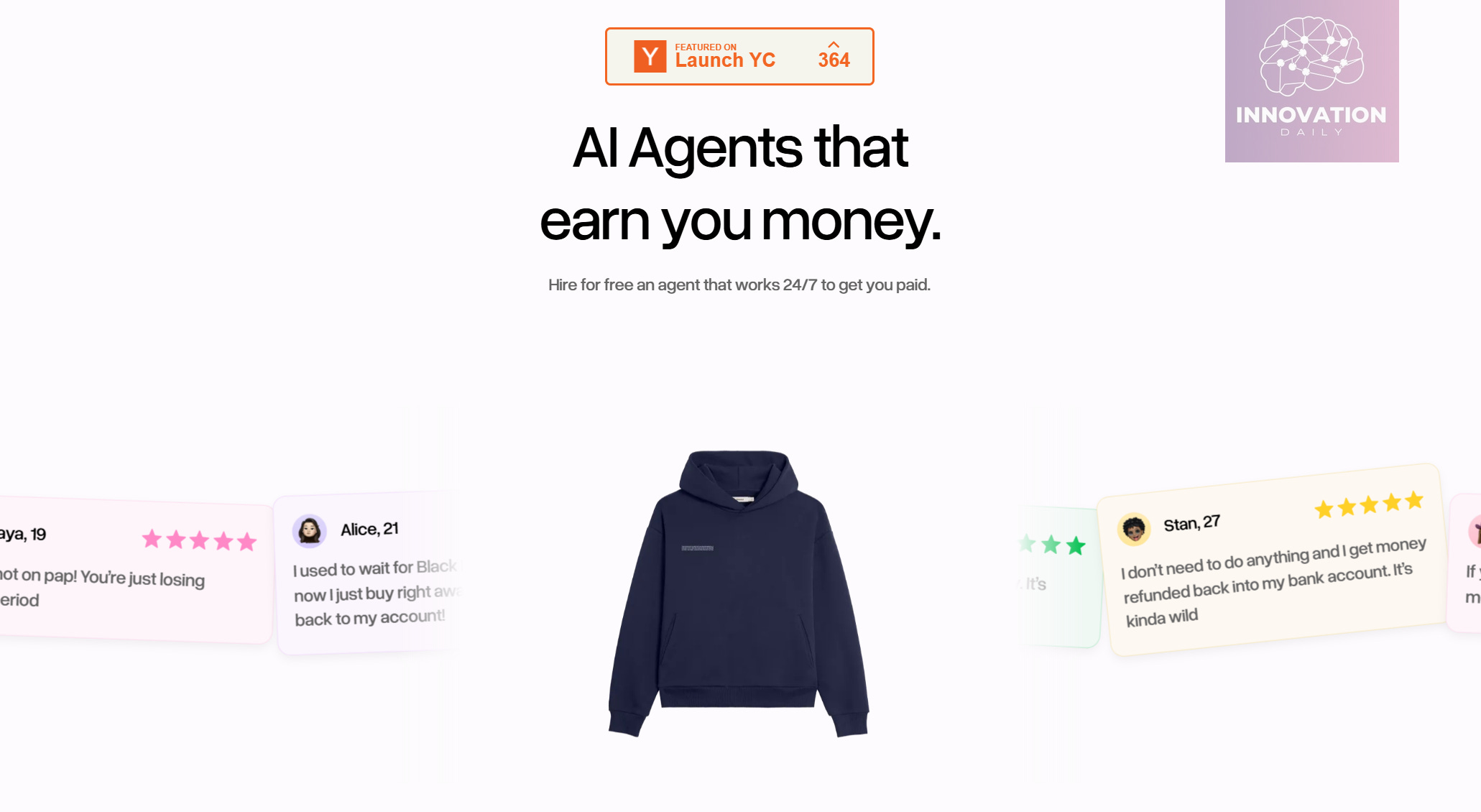
Pine claims it can reduce users’ service bills by 20% or recover about $50 per complaint on average. These numbers might seem small — too small for lawyers, whose fees would exceed the payout. And users themselves don’t want to waste time chasing tiny refunds. That’s exactly where AI fits: the economics of “small claims” finally work when handled by automated agents operating on a success-fee model.
The trend is accelerating. We’re now seeing AI platforms expanding into more legally complex areas:
CaseCraft (UK) handles small civil claims under €10K and minor injury/housing disputes under €1K. They charge small fees or ~10% of recovered funds. Raised £550K (~$742K) in June.

Valla (UK) automates employment-related complaints, supported by optional human lawyers. Raised £2M (~$2.7M) in June.

Aparti built an AI system for handling divorces — 10x cheaper, 6x faster, far less painful. It now positions itself as an “AI assistant for family law,” covering child support, visitation disputes, and more. Raised $200K in April.


This entire landscape points to one clear direction: AI agents taking over low-value, high-friction tasks that humans avoid.
Models like Pine fit naturally into broader growth ecosystems. Platforms such as Infiniti, for example, already build tooling around automation and performance-driven outcomes — and this same logic of “AI that works for results, not requests” is becoming the new norm across consumer and operational workflows. It’s a quiet but massive shift in how everyday problems get solved.
Key Takeaways
The emerging opportunity is clear: AI platforms designed to handle “small tasks” — tasks too cheap to outsource to humans, yet too annoying for users to do themselves.
The key to making this model work is economics. Users must gain something measurable — savings, refunds, compensation — so the AI platform can take a small success fee without friction.
If users see no financial upside, they won’t pay even small amounts for “small” tasks.
Today’s examples illustrate several categories that already work. But the real question is:
What other everyday problems could be automated and turned into win-win micro-economies powered by AI?
The model is proven. The timing is perfect. And the opportunities are still wide open.
Company Info
Pine
Website: 19pine.ai
Latest Round: $25M 03.12.2025
Total Funding: $30M across 2 rounds