

When Proof Replaces Promises
Today's featured startup is rebuilding trust in hiring by extracting skills directly from real-world developer work

Project Overview
“Resumes lie. GitHub doesn’t,” says GitHired — and it’s hard to argue with that.

A developer can claim almost any skill on a resume. But if there’s no real code on GitHub to back it up, employers are forced to manually review repositories during hiring — spending hours (often for nothing).
GitHired tackles this problem by offering job application forms that help companies cut candidate screening and evaluation time by up to five times.
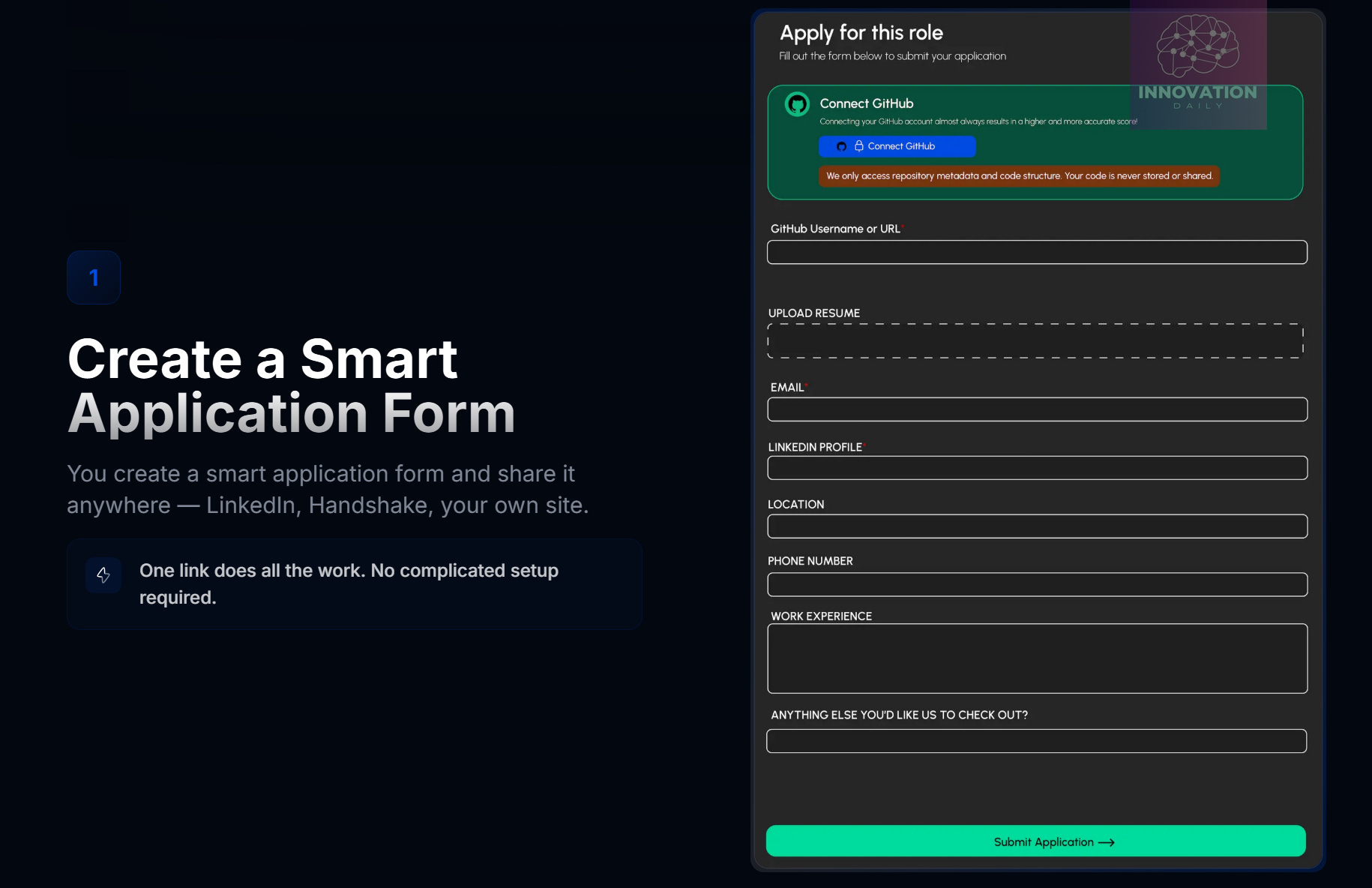
At first glance, the form looks fairly standard: name, contact details, a list of claimed skills, and a LinkedIn profile link.
The key difference is the mandatory GitHub profile link. GitHired automatically analyzes the candidate’s repositories and contribution history across other projects. Based on this data, the platform builds an objective skill profile — from programming languages to frameworks, tools, and technologies actually used.
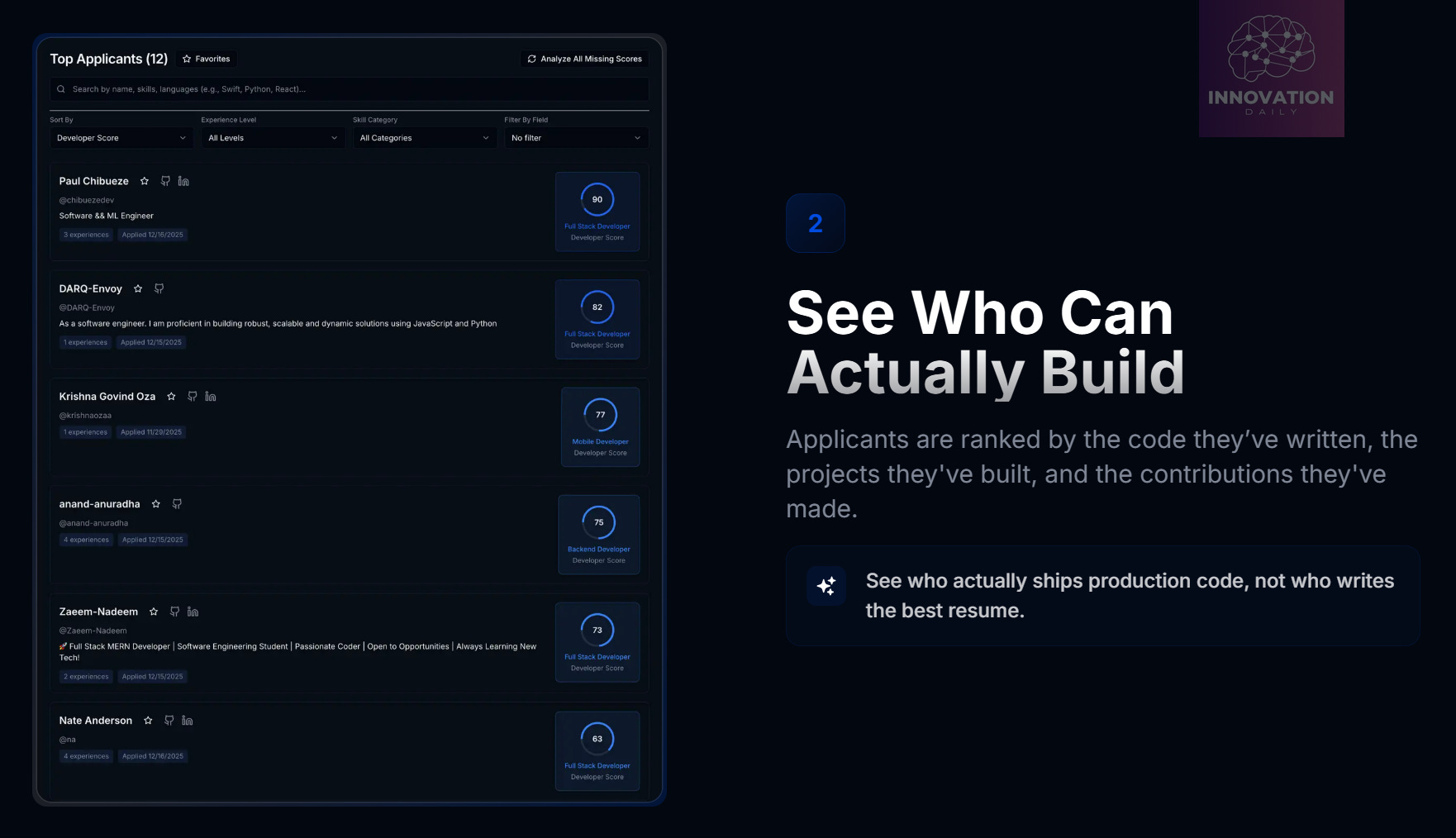
Using this analysis, GitHired assigns each applicant a ranking score and sorts candidates accordingly. This allows employers to start interviews with the strongest candidates first — and sometimes stop there altogether.
Clicking on a candidate’s name reveals deeper insights: core skills, tech stack, the most complex projects they’ve worked on, activity dynamics, and more.
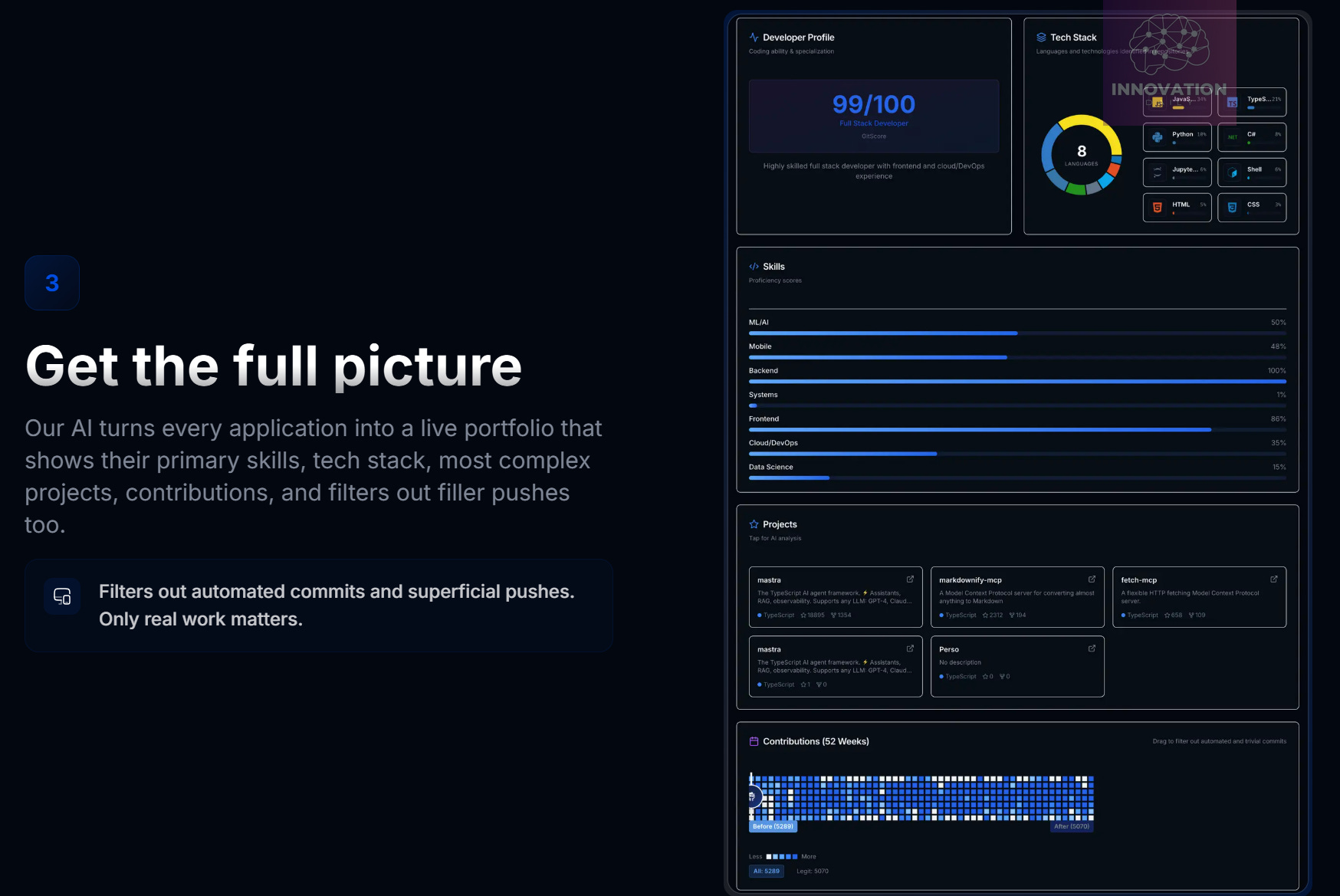
Crucially, the platform’s AI doesn’t just count activity — it analyzes its substance. This helps filter out “noise” like auto-generated or meaningless commits created purely to inflate GitHub activity metrics.
GitHired doesn’t list pricing publicly. Interested companies are encouraged to talk directly with the founders — likely because the platform launched very recently and appeared on Product Hunt only last week.
What’s the Gist?
The broader trend is clear: employers are gradually losing trust in resumes when hiring employees and freelancers.
This shift has accelerated with the rise of AI tools, which candidates increasingly use to generate polished, impressive resumes and job applications.
But as the saying goes, you fight like with like. As a result, a new wave of AI-powered platforms is emerging — ones designed to extract more truthful signals about candidates. Here are a few notable examples:
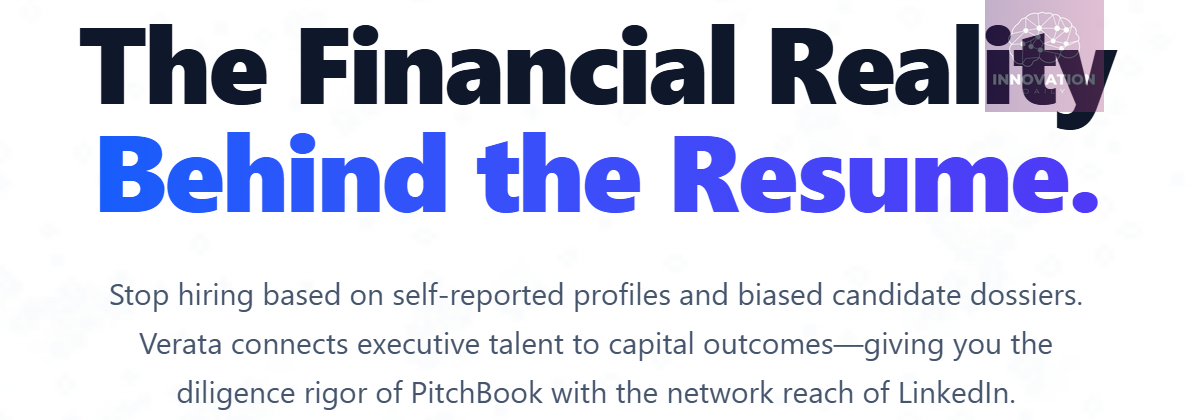
Verata, a Y Combinator graduate, built a platform for private equity firms to identify executives for portfolio companies. Its AI analyzes resumes, employment history, and company performance metrics — estimating a candidate’s real contribution by correlating revenue growth, funding raised, and other key indicators during their tenure.
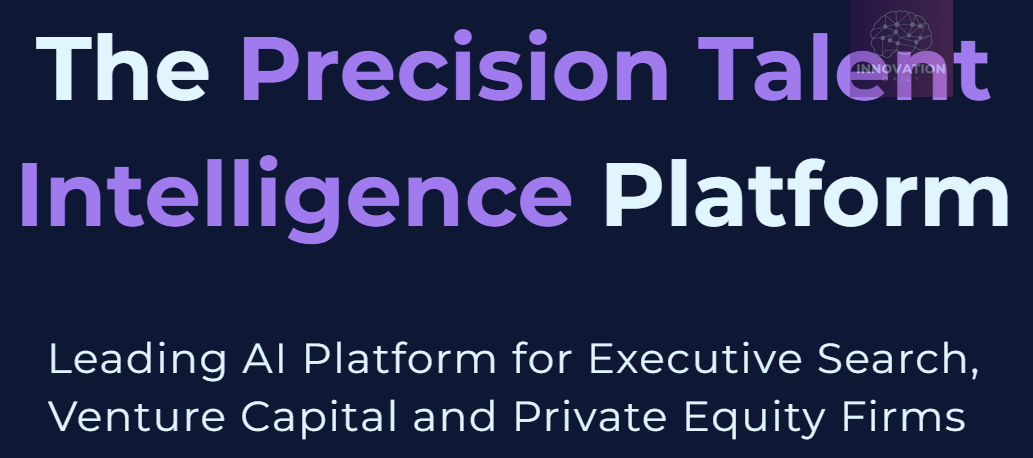
HelloSky applies a similar approach but targets a broader audience: venture funds and companies searching for top executives. In April, HelloSky raised $5.5 million in fresh funding.
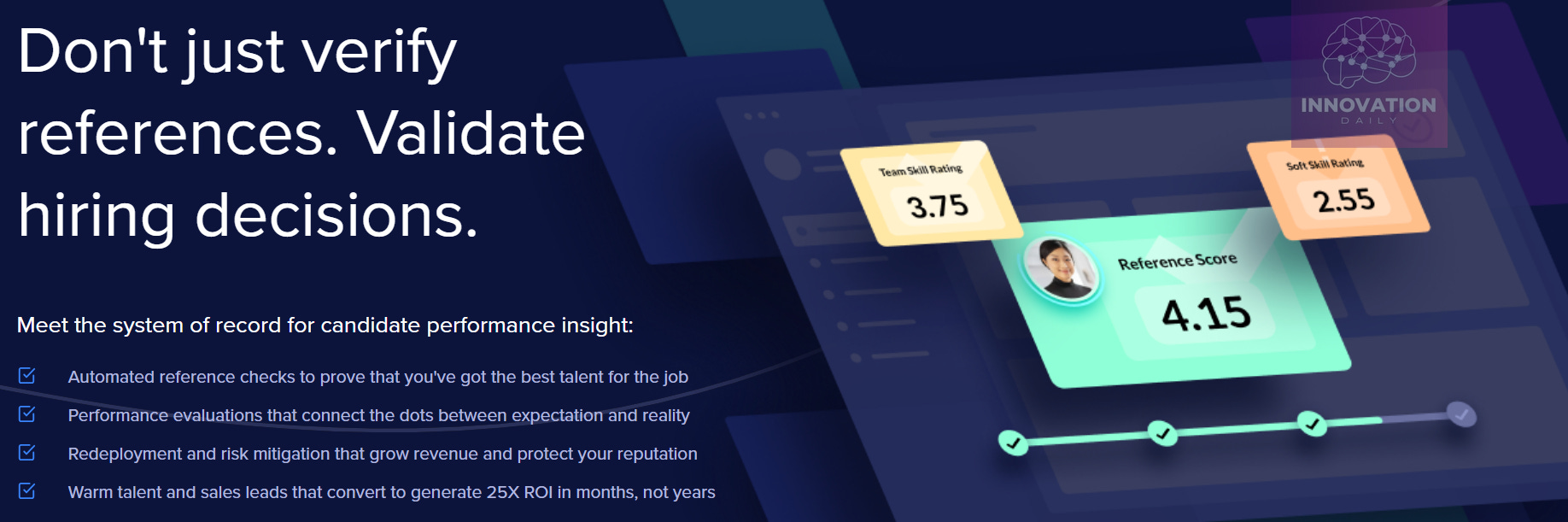
RefAssured, which raised $3.3 million this September, automates the collection and verification of references for more mid-level candidates. Its AI cross-analyzes references to identify not just common themes, but also contradictions — creating a multi-dimensional candidate profile and an overall trust score.
The platform allowed candidates and freelancers to upload video introductions and video testimonials from clients or employers. Its AI analyzed voice tone, facial expressions, gestures, and other non-verbal cues to assess sincerity — assigning a credibility score to each profile.
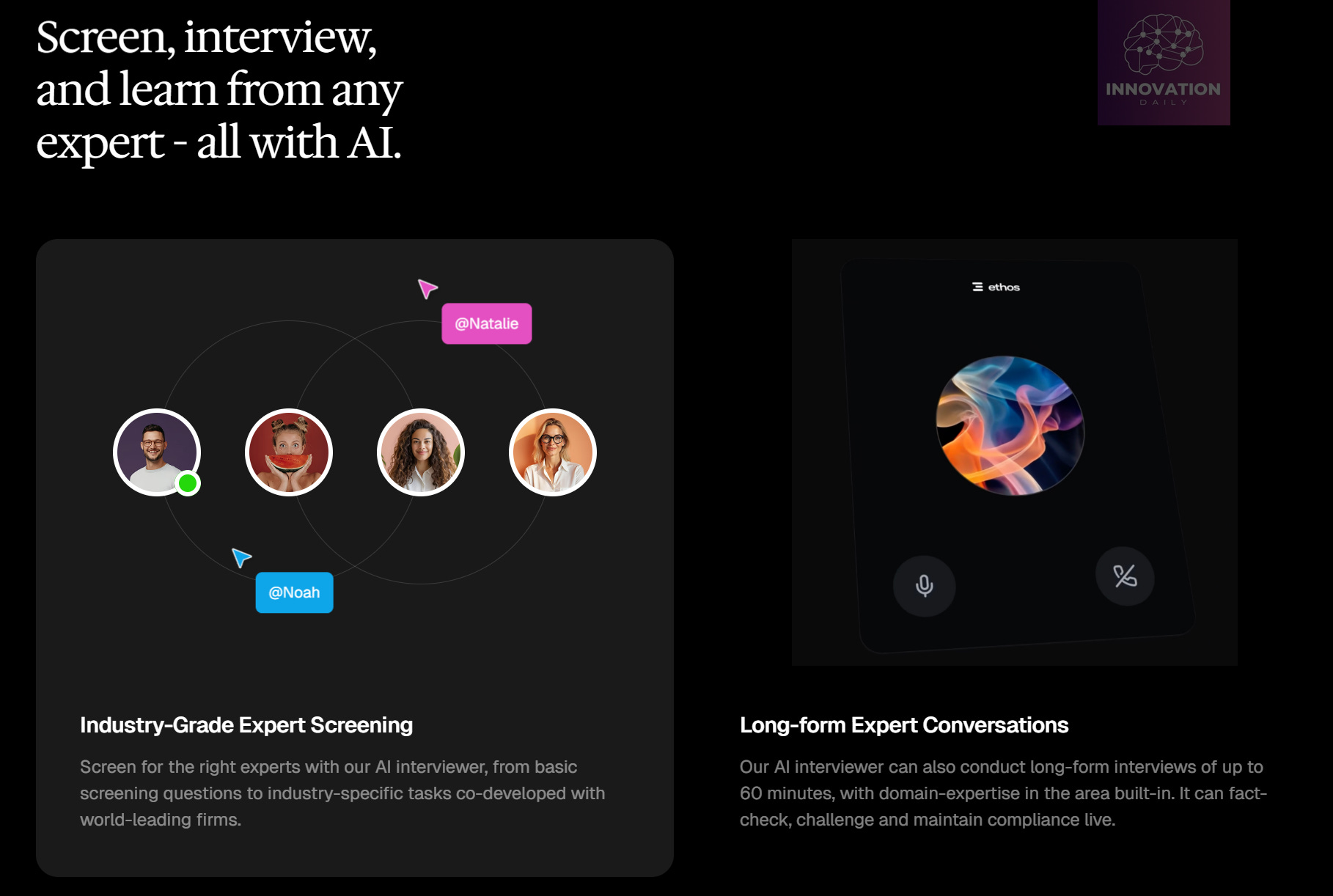
Another example is Ethos, which raised €3 million in March for a marketplace connecting companies with expert consultants. Beyond profile matching, Ethos conducts AI-powered interviews to verify that experts have hands-on experience solving the specific problems companies care about.
Finally, Ferretly focuses on screening candidates based on social media behavior — particularly important for public-facing roles like brand ambassadors. Its AI analyzes posts, images, memes, and videos for social risks or potentially damaging signals. The company has raised $4.1 million, including $1.1 million just last week.
Key Takeaways
Almost every human action today leaves a digital footprint. Companies can increasingly form accurate opinions about candidates, partners, and contractors — if they have AI tools capable of finding, correlating, and interpreting those signals.
Over time, this may eliminate the need for resumes and other forms of self-presentation altogether.
Strangely enough, this mirrors what’s happening with tax declarations in some countries — where governments are already considering abolishing them or auto-generating them, since authorities already possess the necessary data and analytical tools.
The old slogan “resumes must die” seems well on its way from wishful thinking to reality.
And as always, the best time to enter a market is to build something that will happen anyway — with or without you. If you join early, you end up with the right product at the right time in the right place.
A particularly promising direction, then, is the creation of AI platforms that collect and correlate digital footprints — helping companies build honest, data-driven profiles of candidates for hiring, outsourcing, and other business relationships.
The open questions are obvious:
In which industries is this most critical right now?
What digital signals already exist there?
How exactly should they be analyzed?
What should the output look like?
And how valuable is this information, really?
One thing is clear: someone will build this anyway.
So why shouldn’t that someone be you?
Company Info
GitHired
Website: githired.tech
Total funding: no info