

Where Advertising Meets Checkout
Today's featured startup is turning moments before purchase into a new performance channel

Project Overview

Looma has built a platform for in-store video advertising, placing ad screens directly inside physical retail stores.
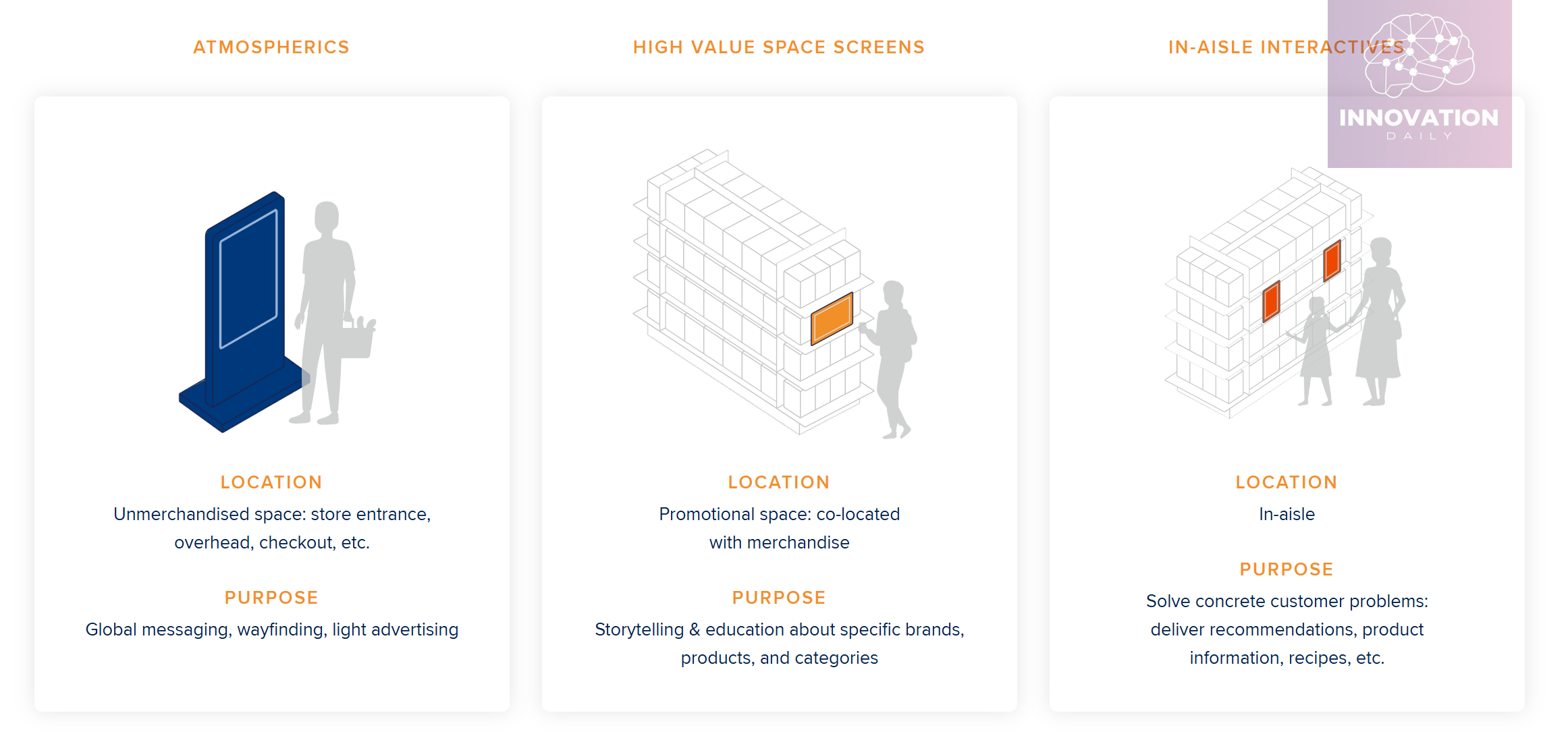
These ads can be displayed in different locations:
Large screens on standalone displays at store entrances, near checkout areas, and in other spaces without shelving.
Small screens on shelves, placed next to advertised products — to attract attention and communicate product information.
Small screens facing store aisles, helping guide shoppers within a category in the direction advertisers want
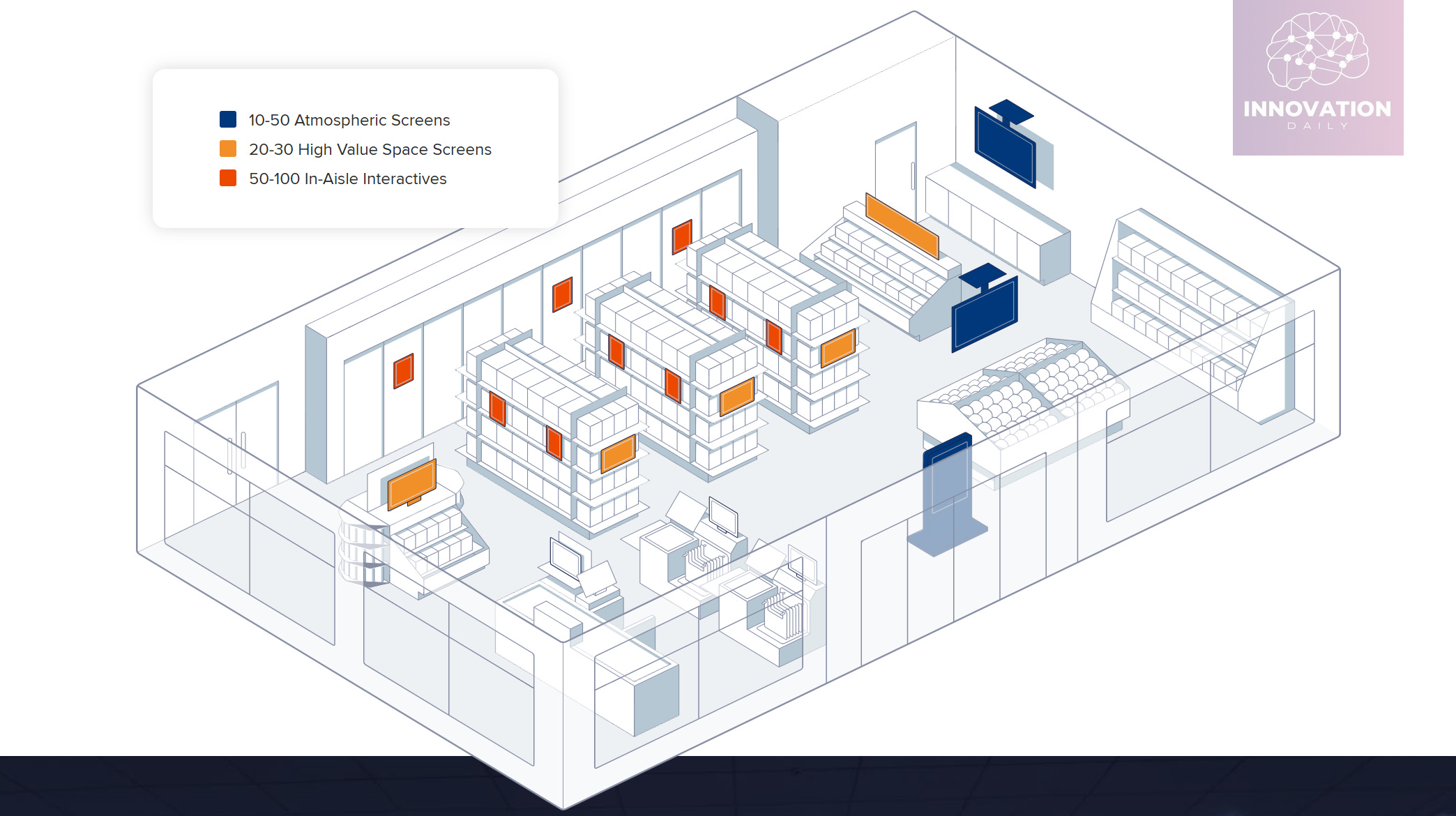
The core goal for both retailers and Looma is to attract brands to advertise on these screens. This format increases brand sales and overall store revenue. In addition, retailers earn extra income from brand marketing budgets, which they share with Looma.
Looma believes that within the next 5–7 years, every offline store will host 100–200 advertising screens of various formats, increasing store profits by 3–5%.
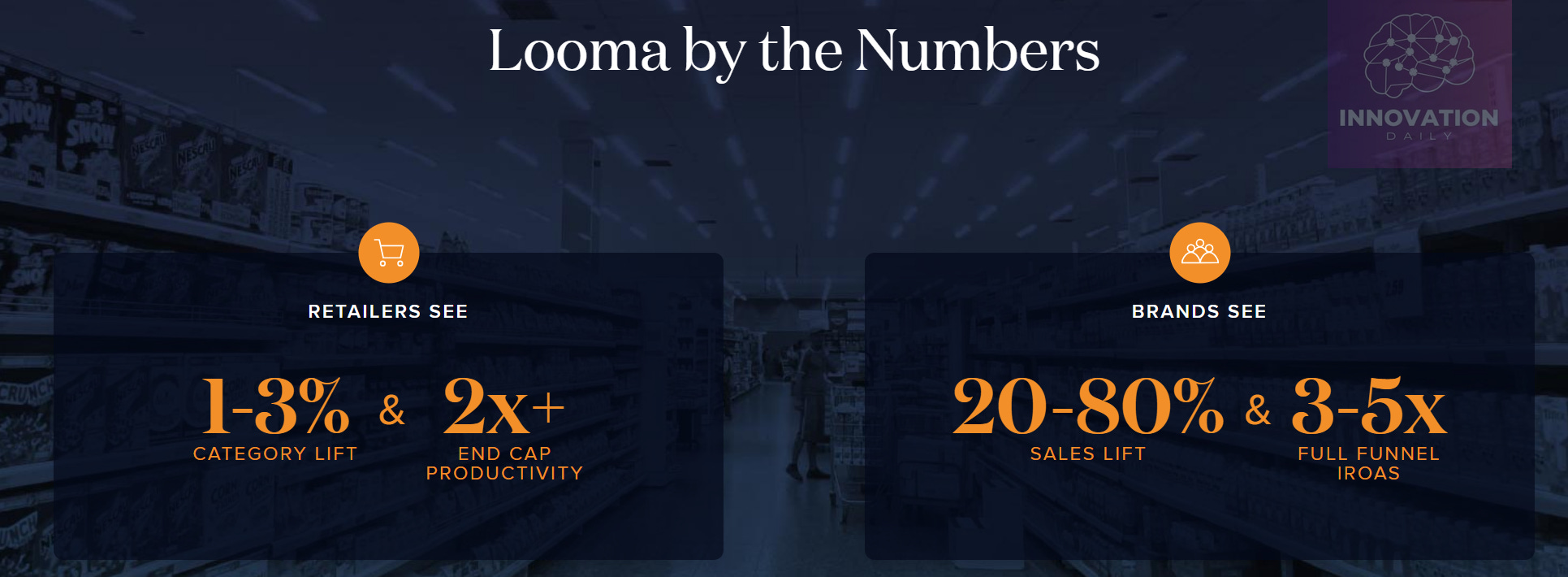
Most importantly, Looma’s screens are already delivering results. Stores report 1–3% sales growth per product category, while brands advertising in-store increase product sales by 20–80%, achieving 3–5x ROI.
This type of in-store advertising blurs the line between brand marketing and performance marketing, as the screens both communicate brand messages and stimulate immediate purchases.
As a result, brand ROI consists of four components:
increased brand awareness,
faster product discovery,
conversion to purchase,
repeat purchases and customer loyalty.
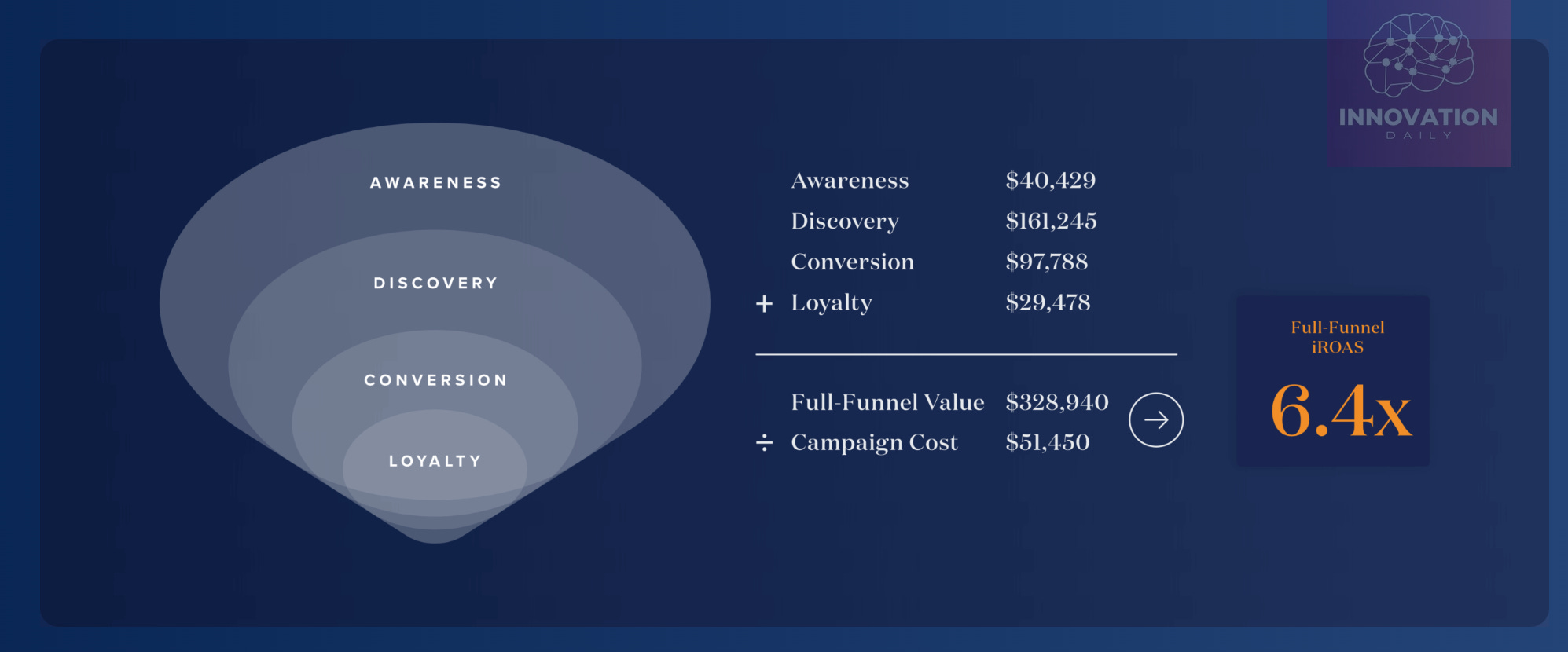
On average, even after campaign costs, total ROI reaches 6.4x.
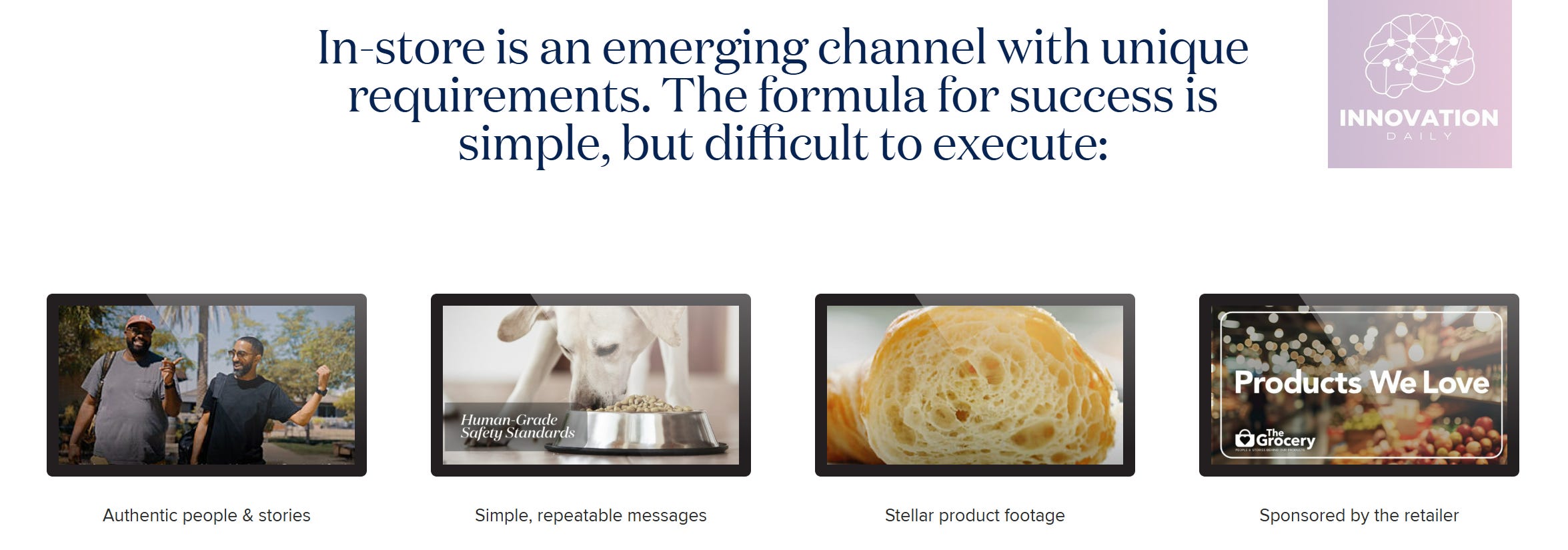
A critical requirement for achieving this return is high-quality video content, which must:
feature real customers rather than actors,
deliver simple, repetitive value messages,
present products in a highly attractive, purchase-driven way.
To support this, Looma has built an internal creator marketplace, allowing brands to review portfolios and select suitable creators for their campaigns. Looma likely earns additional revenue through commissions on completed projects.
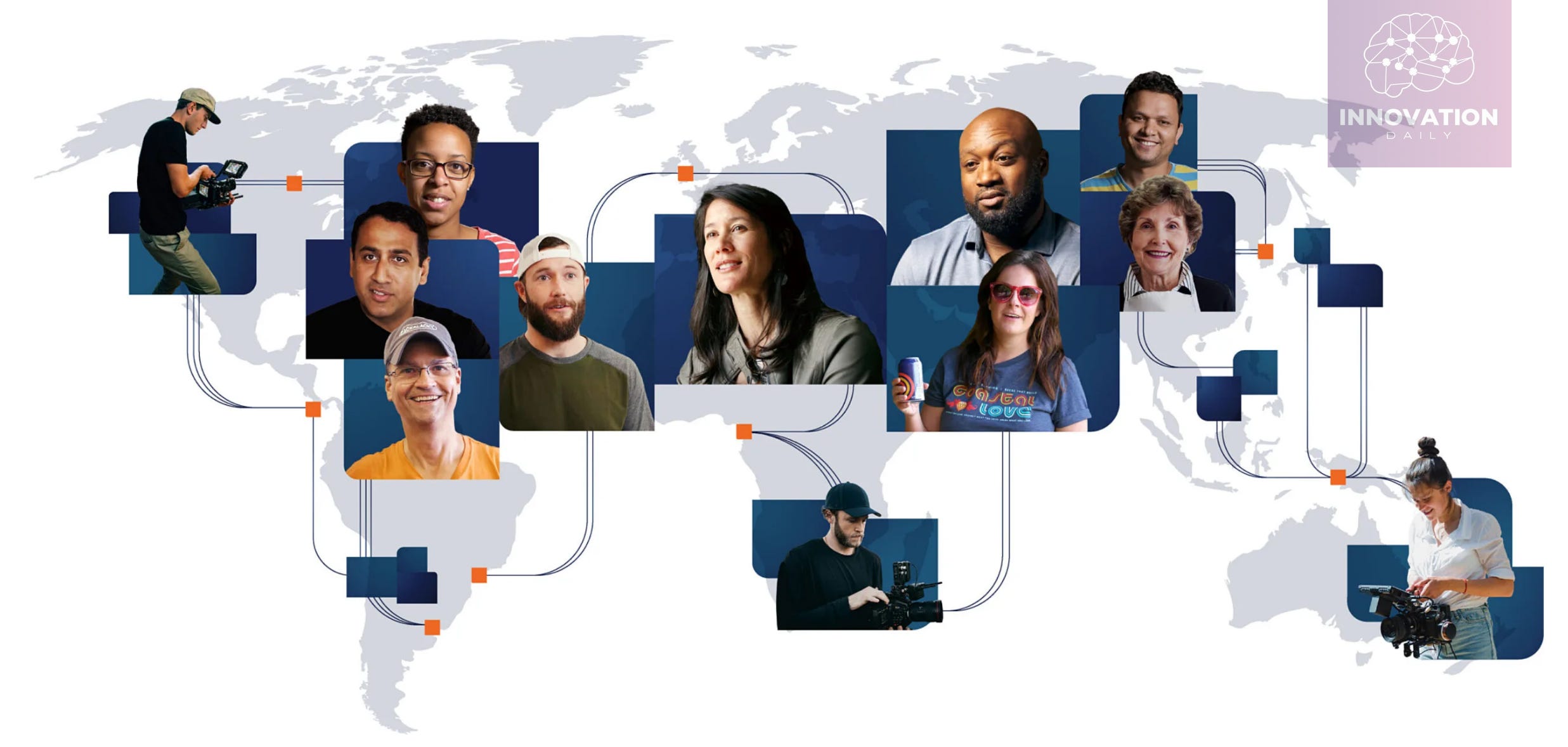
Today, Looma operates 7,000 screens across 1,100 retail stores, reaching 27 million shoppers per month.
The startup raised $13 million in new funding, including $3 million in debt, bringing total investment to $30 million.
What’s the Gist?
What Looma does today falls under retail media — advertising embedded directly into points of sale.
It’s called “media” because this advertising can take many forms, including informational and educational content or product sampling, not just direct ads.
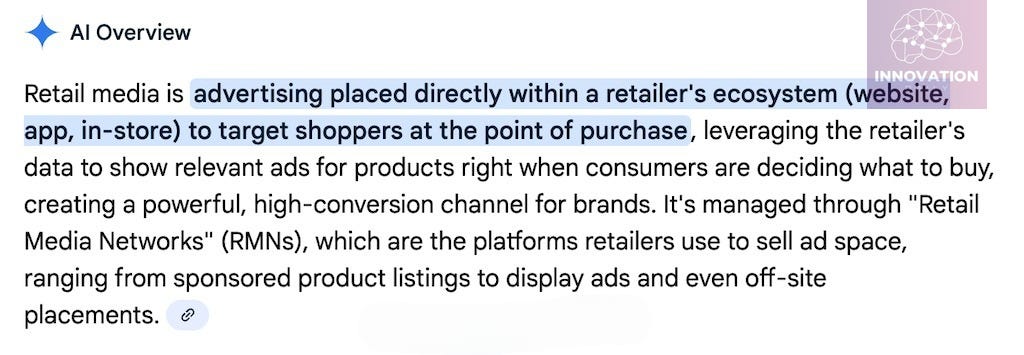
Retail media also extends beyond offline stores into mobile apps, online shops, and marketplaces.
Many retailers generate strong profits from retail media, with margins of 70–90%, compared to 2–5% margins on product sales.
The revenue leader in this space is Amazon, which earned over $60 billion from retail media in 2024. In terms of profitability, Walmart is often considered the leader, with retail media reportedly contributing nearly one-third of its net profit.
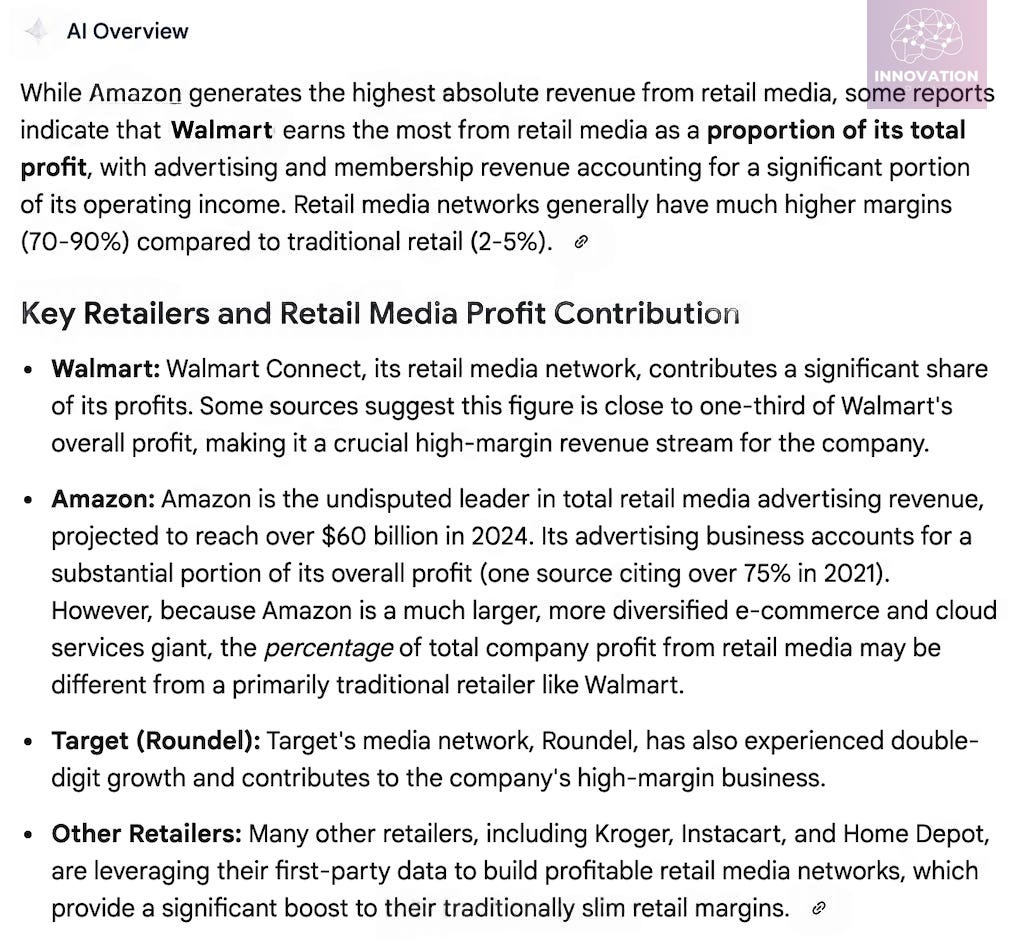
Other profitable examples include Target, Kroger, Instacart, and Home Depot.
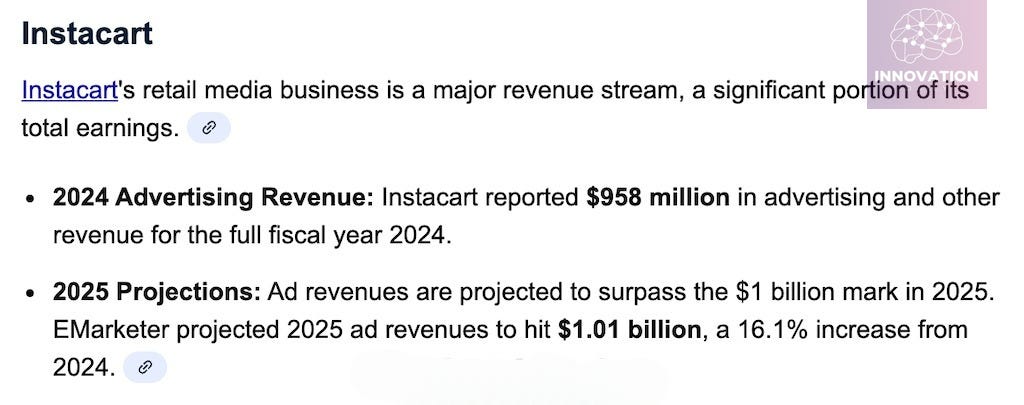
For example, Instacart generated nearly $1 billion in retail media revenue in 2024 and is expected to grow this figure by 16% in 2025.
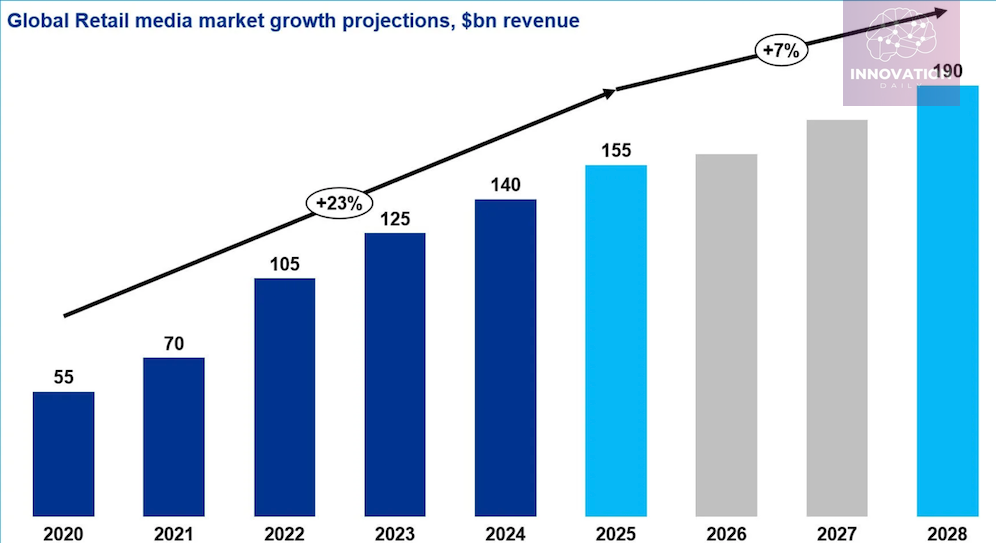
The total retail media market is projected to reach $155 billion in 2025, growing to $190 billion by 2028.
Looma is not the only startup targeting this market.
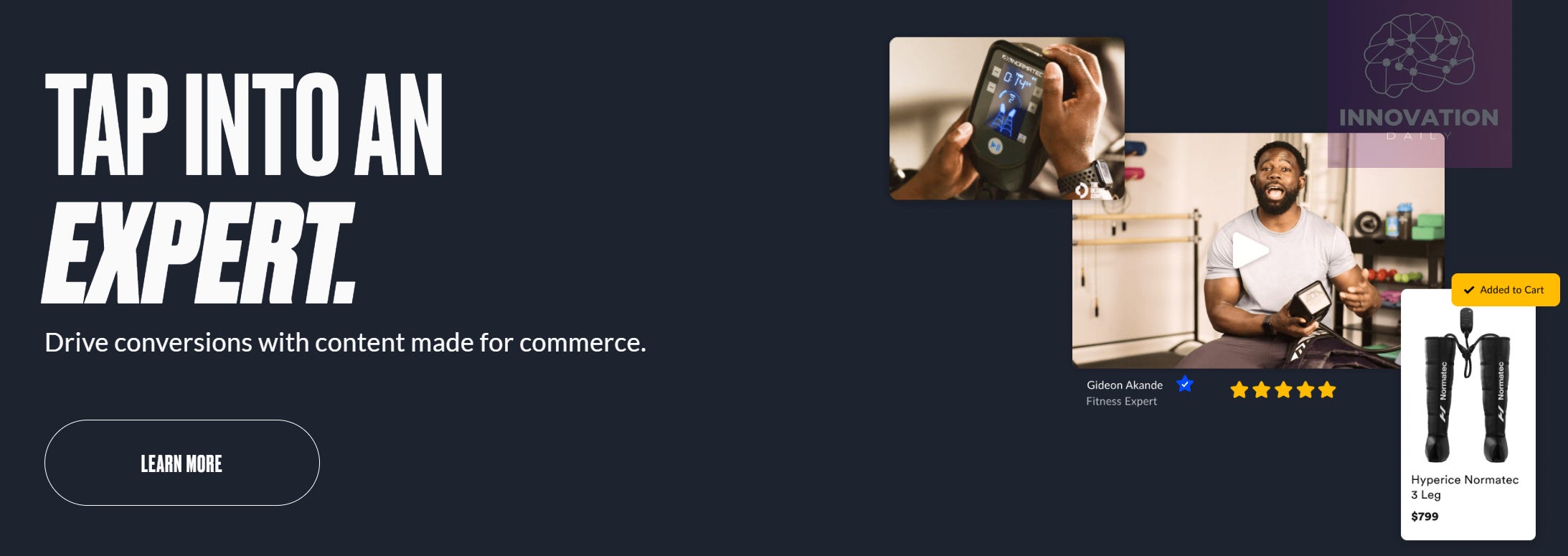
The Desire Company creates video content for offline and online retail environments featuring experts explaining brands and products. The startup has raised over $22 million, including $3.3 million in May.
Swish raised undisclosed funding in September for a platform that places promoted products into online shopping carts using AI-based matching. In winter 2024, Swish received an award for Best Retail Media Implementation.
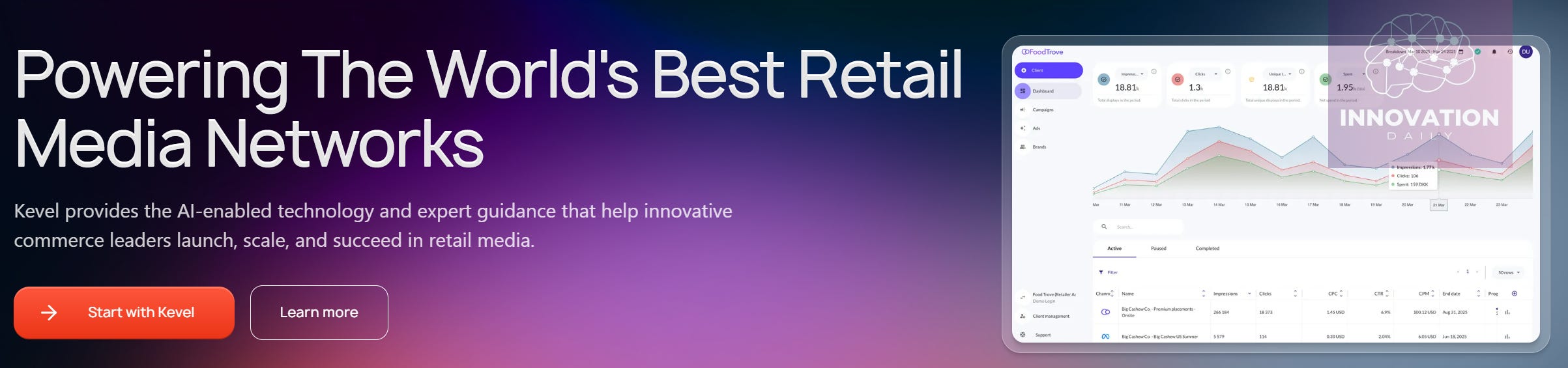
Kevel built a platform enabling e-commerce stores and marketplaces to run retail media in formats such as product ads and video placements. The company has raised $45.2 million.
As retail media ecosystems grow in scale and complexity, teams increasingly rely on tools like Infiniti to structure experiments, track performance, and manage growth processes across multiple channels without operational overhead.
Key Takeaways
Many shoppers enter supermarkets with a list and leave with different products — simply because something caught their attention
This behavior is common. In offline supermarkets, 60–70% of purchases are unplanned. In online stores, a similar share is influenced by recommendations, discounts, and promotions. While some studies estimate lower figures, 88% of shoppers make unplanned purchases at least occasionally.
The goal of retail media is to support and reinforce this behavior by placing advertising directly in front of shoppers during the decision-making process.
Retail media can therefore be seen as the “last mile” of advertising, working during shopping itself and sometimes outweighing the impact of earlier ads.
As a result, retail media is becoming an increasingly powerful and widely adopted tool — both offline and online, and in many different formats.
This makes the creation of retail media platforms a natural and promising direction — one that continues to grow in relevance.
Company Info
Looma
Website: theloomaproject.com
Last round: $13M 16.12.2025
Total funding: $30M across 6 rounds